-
Bed Bond 3D Print Bed Adhesive
Regular price $ 14.99Regular priceUnit price per -
Cashmere PETG PRO AMS Compatible
Regular price $ 32.99Regular priceUnit price per -
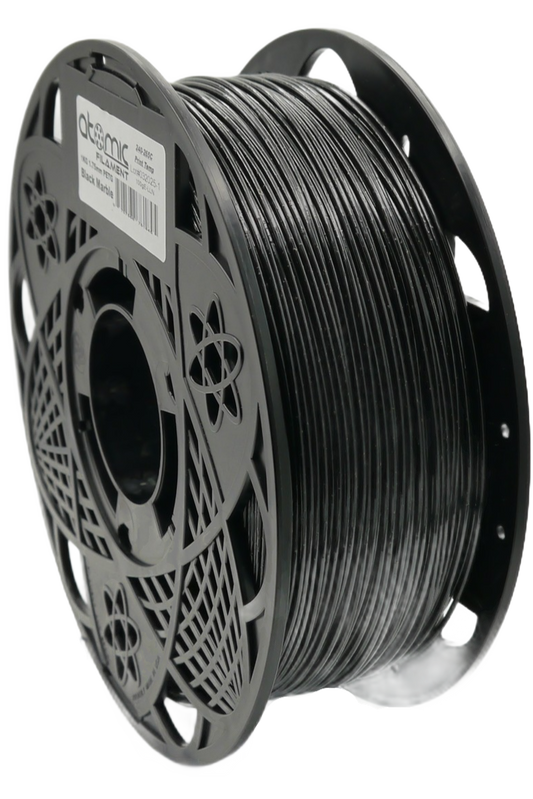
Deep Black Opaque PETG PRO AMS Compatible
Regular price $ 32.99Regular priceUnit price per -
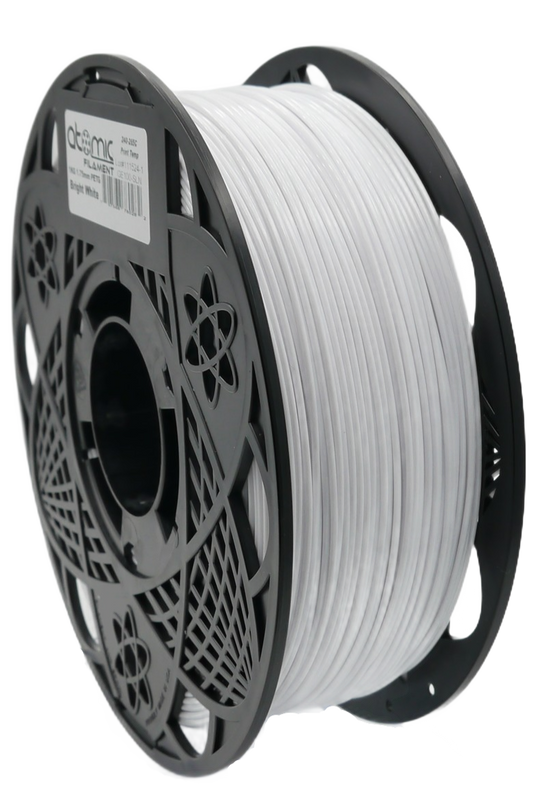
Bright White Opaque PETG PRO AMS Compatible
Regular price $ 32.99Regular priceUnit price per -
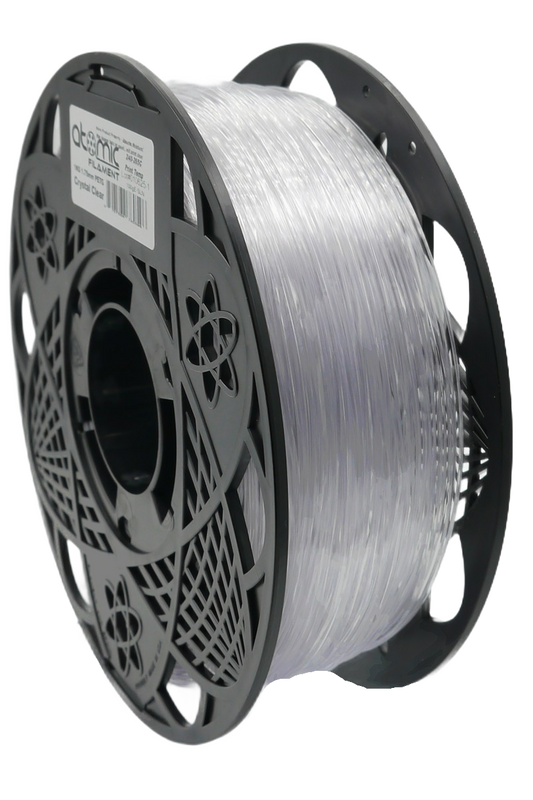
Crystal Clear / Natural PETG PRO AMS Compatible
Regular price $ 32.99Regular priceUnit price per -
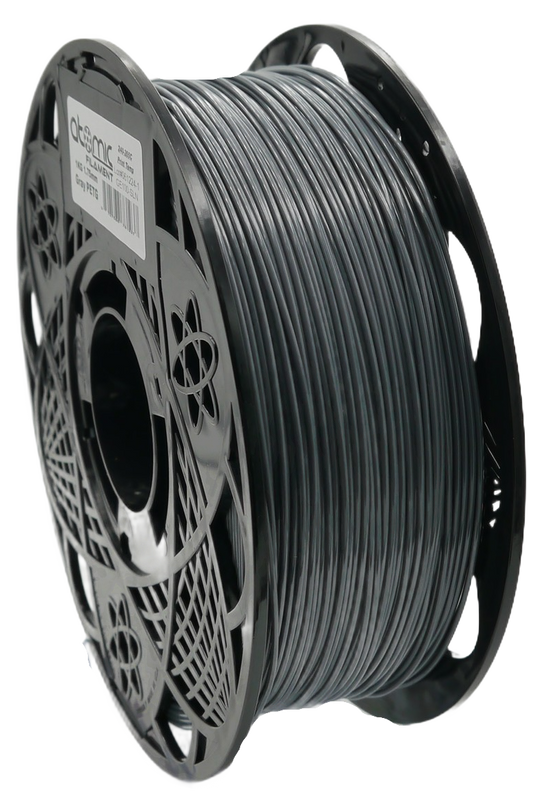
Gray PETG PRO AMS Compatible
Regular price $ 32.99Regular priceUnit price per -
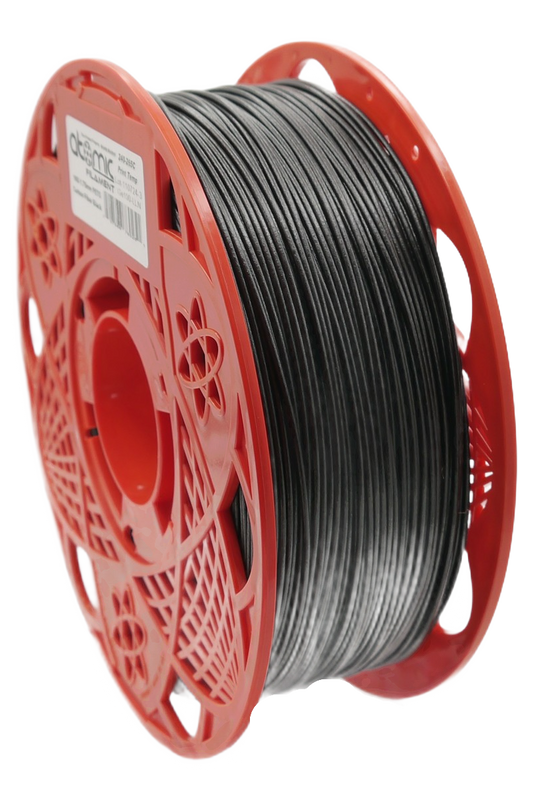
CARBON FIBER Extreme Black PETG PRO Filament AMS Compatible
Regular price $ 49.99Regular priceUnit price per -
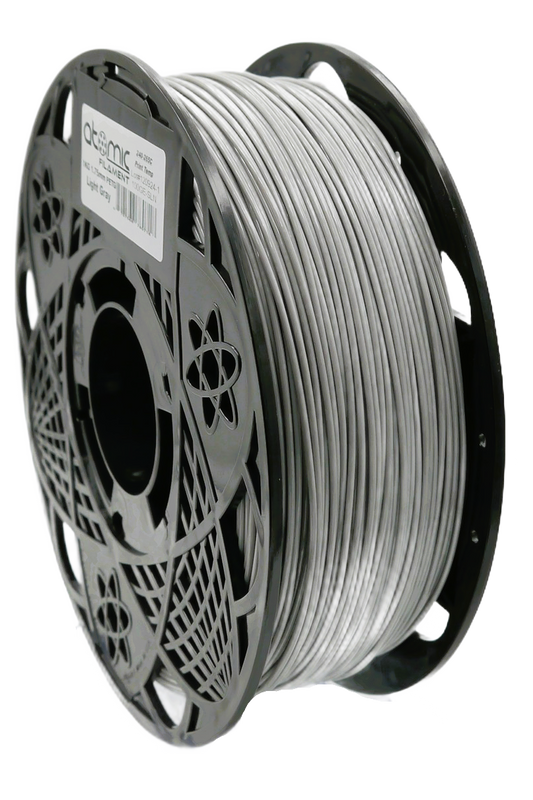
Light Gray PETG PRO AMS Compatible
Regular price $ 32.99Regular priceUnit price per -
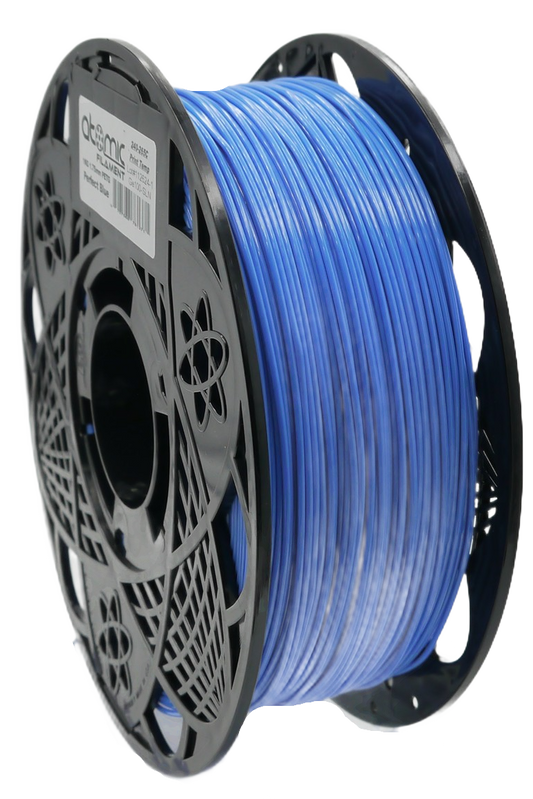
Perfect Blue Opaque PETG PRO AMS Compatible
Regular price $ 32.99Regular priceUnit price per -
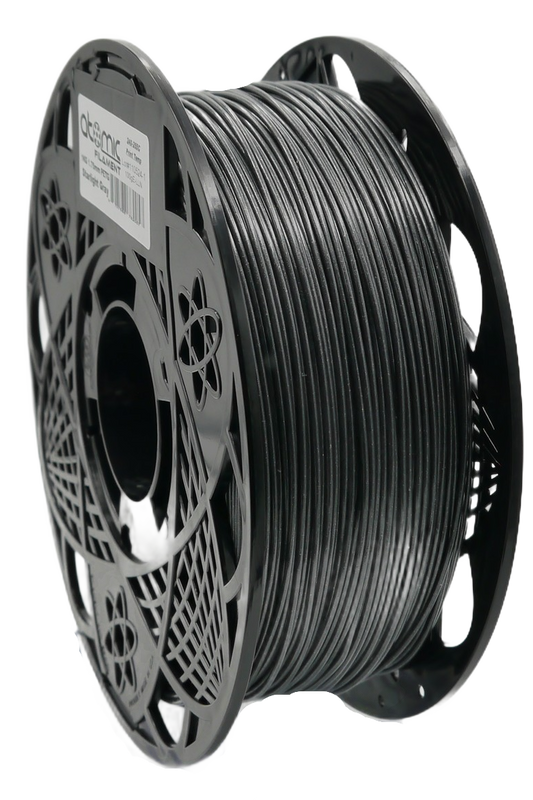
Starlight Gray PETG PRO AMS Compatible
Regular price $ 32.99Regular priceUnit price per -
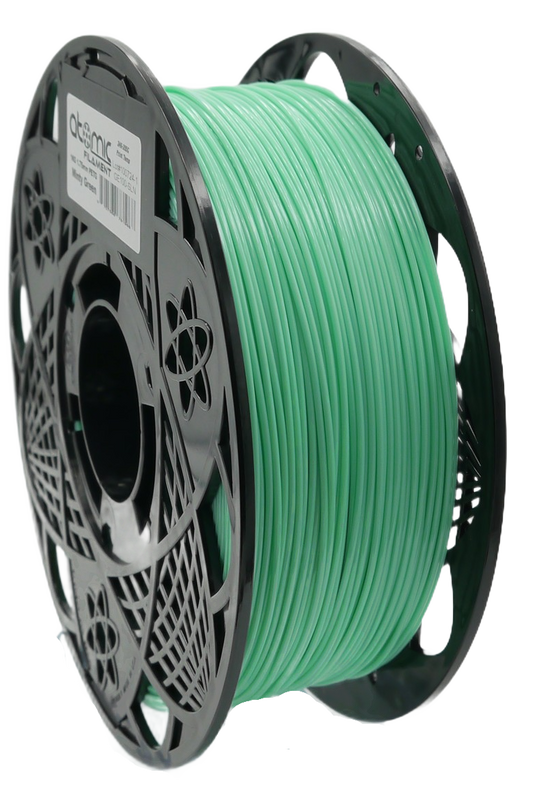
Minty Green PETG PRO AMS Compatible
Regular price $ 32.99Regular priceUnit price per -
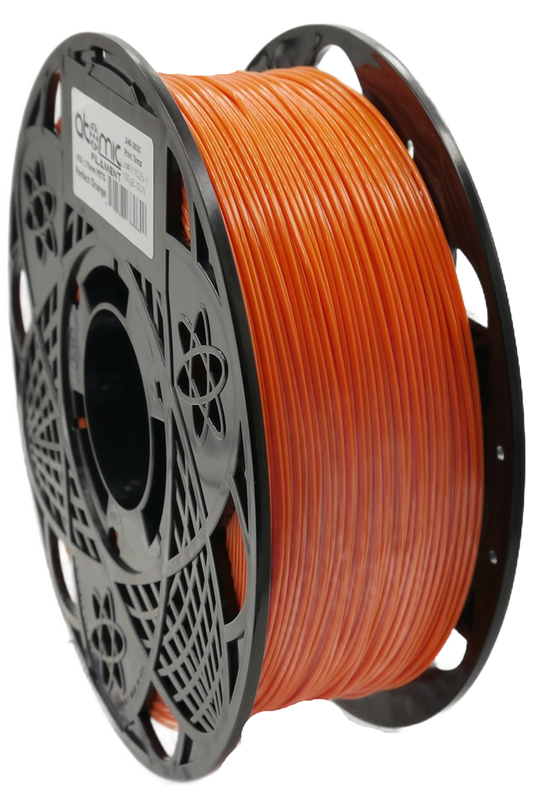
Perfect Orange Opaque PETG PRO AMS Compatible
Regular price $ 26.39Regular priceUnit price per$ 32.99Sale price $ 26.39Sale -
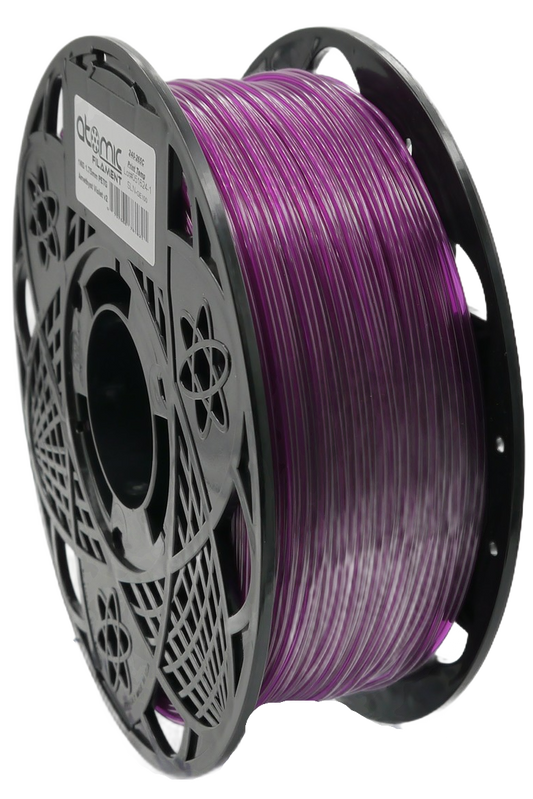
Amethyst Violet Gemstone Translucent v2 PETG PRO AMS Compatible
Regular price $ 32.99Regular priceUnit price per -
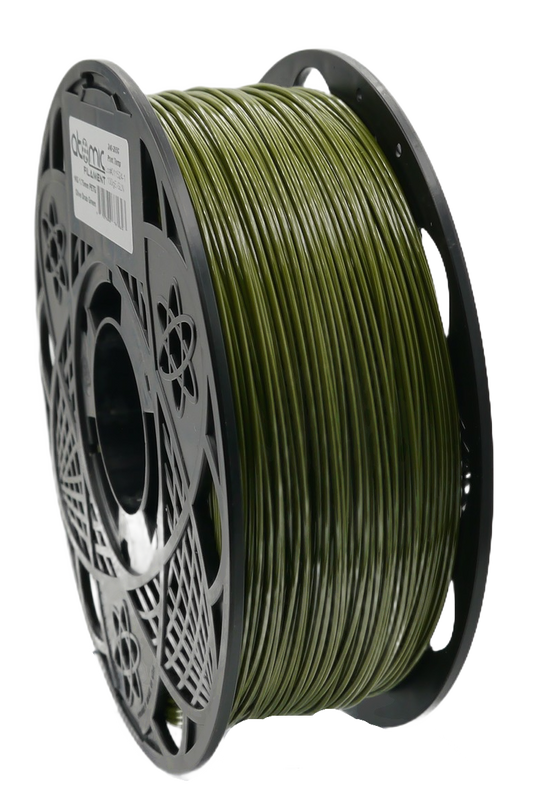
Olive Drab Green PETG PRO AMS Compatible
Regular price $ 32.99Regular priceUnit price per -
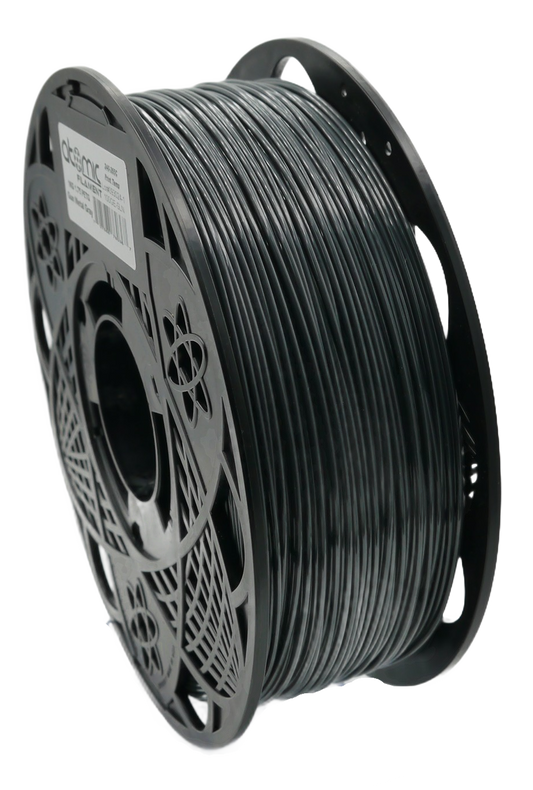
Gun Metal Gray Opaque PETG PRO AMS Compatible
Regular price $ 32.99Regular priceUnit price per -
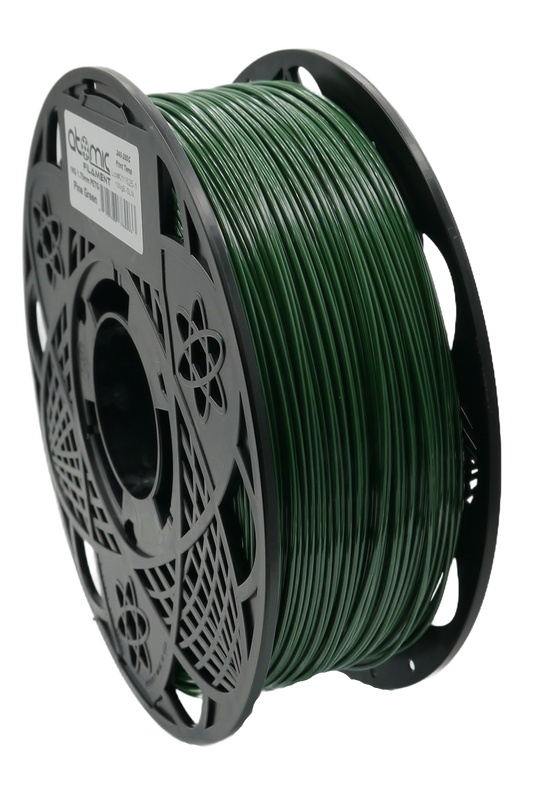
Pine Green v2 PETG PRO AMS Compatible
Regular price $ 32.99Regular priceUnit price per -
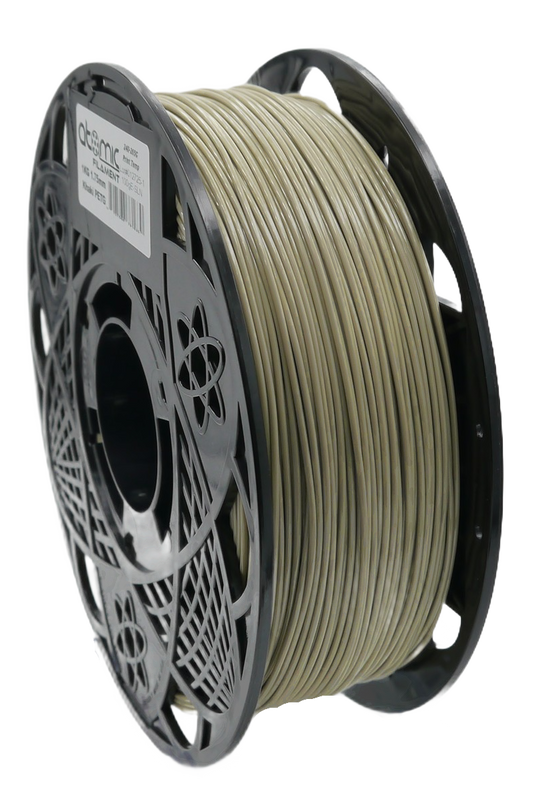
Khaki PETG PRO AMS Compatible
Regular price $ 32.99Regular priceUnit price per -
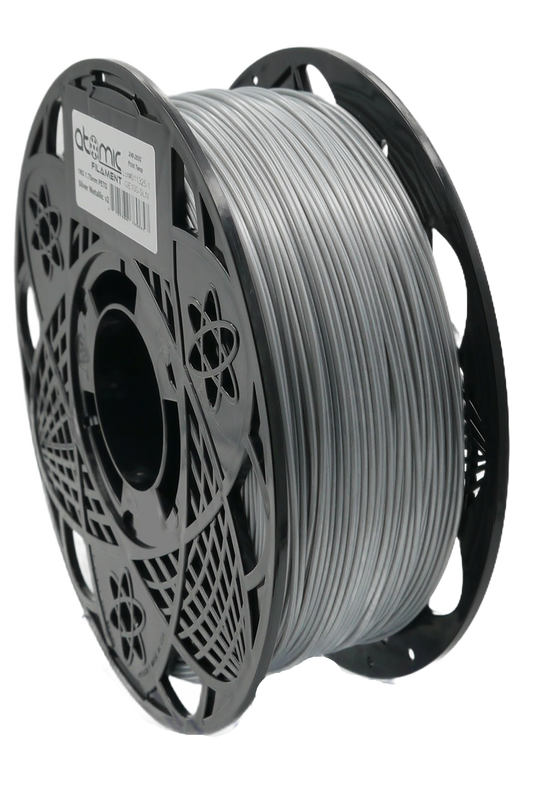
Metallic Silver v2 PETG PRO AMS Compatible
Regular price $ 32.99Regular priceUnit price per -
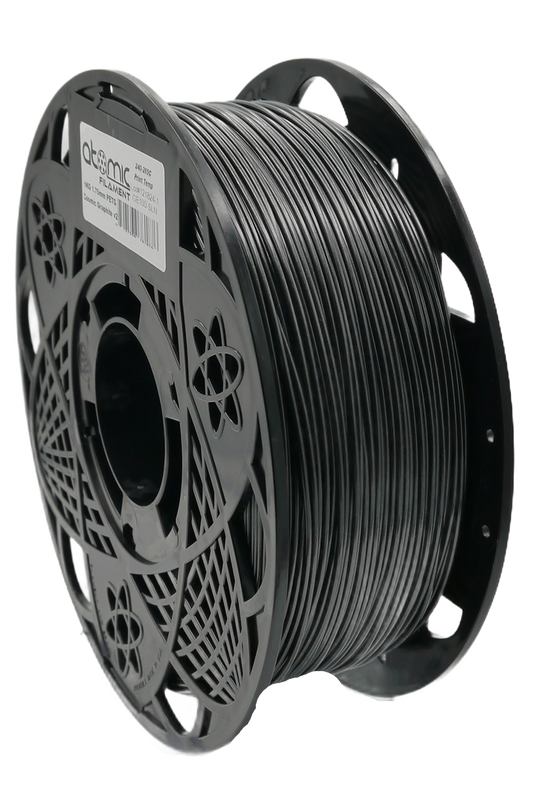
Cosmic Graphite PETG PRO v2 AMS Compatible
Regular price $ 26.39Regular priceUnit price per$ 32.99Sale price $ 26.39Sale -
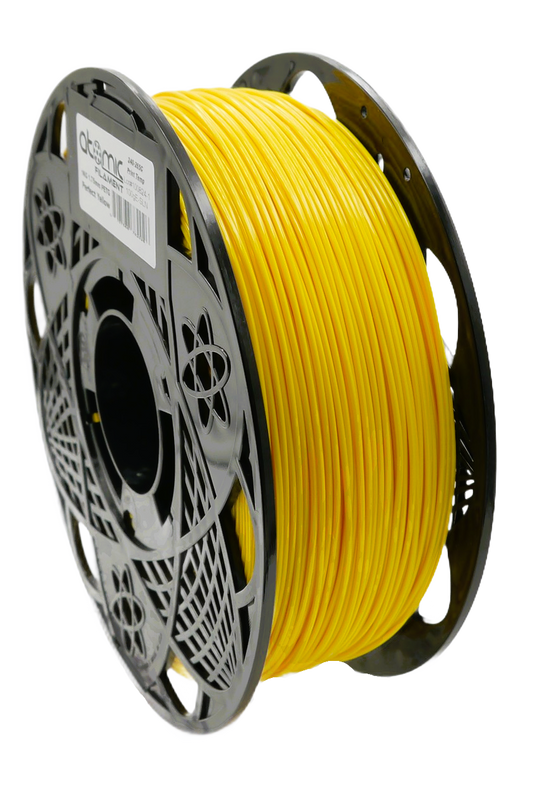
Perfect Yellow PETG PRO AMS Compatible
Regular price $ 32.99Regular priceUnit price per -
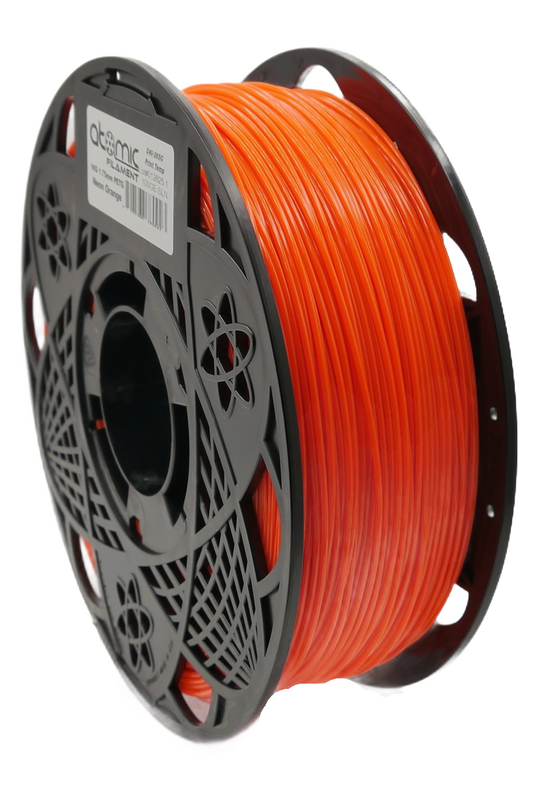
Neon Orange UV Reactive Opaque PETG PRO AMS Compatible
Regular price $ 32.99Regular priceUnit price per -
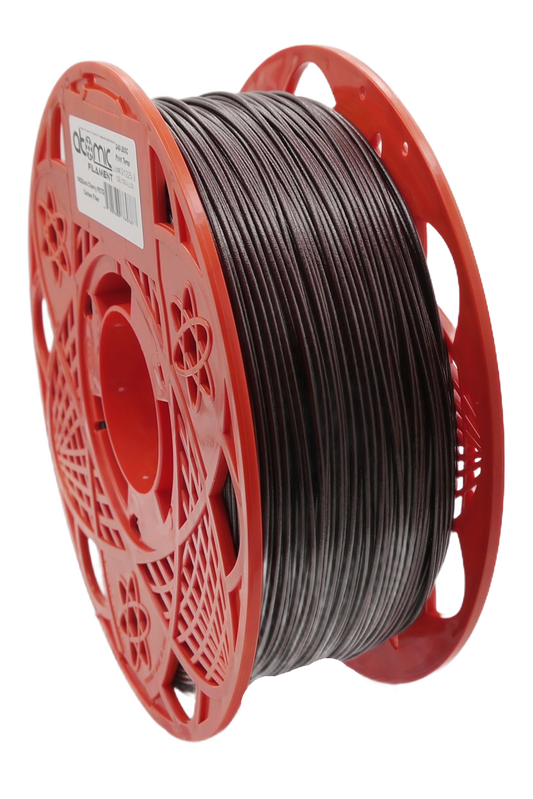
Dark Cherry CARBON FIBER Extreme PETG PRO Filament AMS Compatible
Regular price $ 39.99Regular priceUnit price per$ 49.99Sale price $ 39.99Sale -
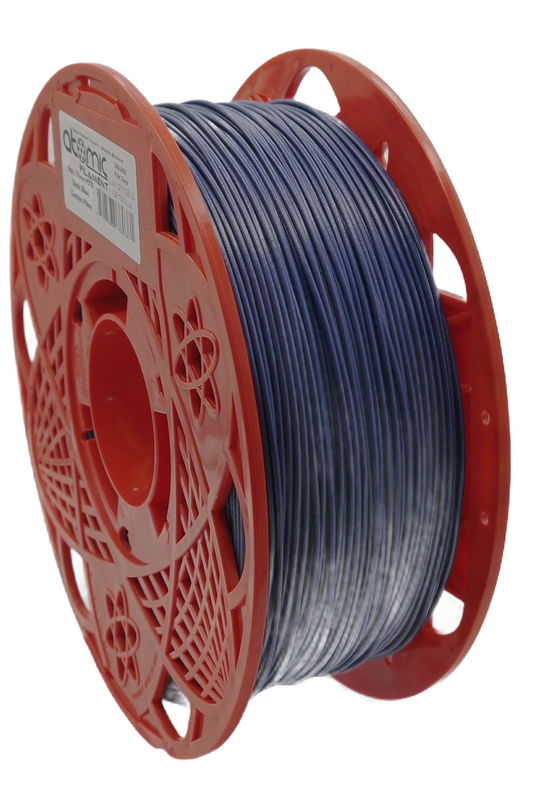
Dark Blue CARBON FIBER Extreme PETG PRO Filament AMS Compatible
Regular price $ 49.99Regular priceUnit price per -
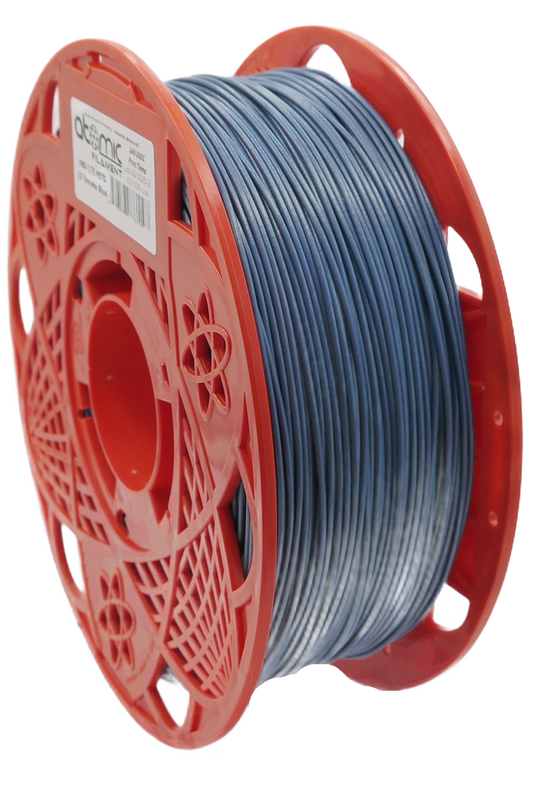
Smoke Blue CARBON FIBER Extreme PETG PRO Filament AMS Compatible
Regular price $ 49.99Regular priceUnit price per -
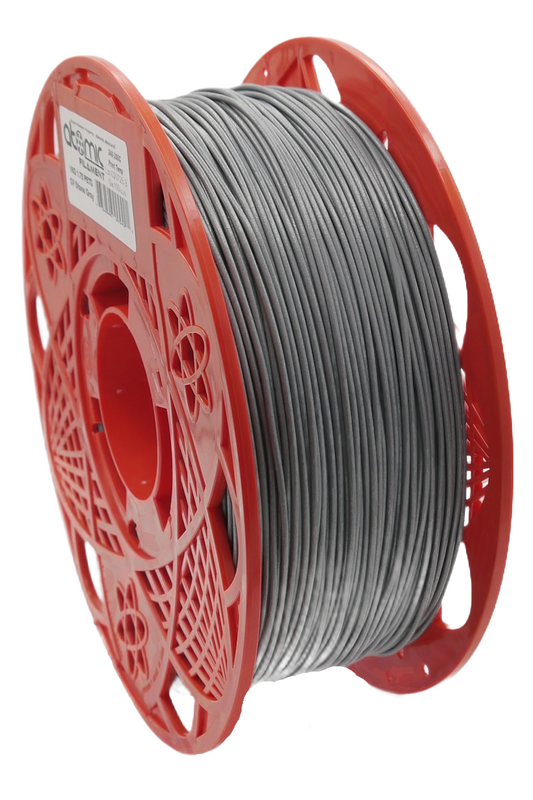
Stone Gray CARBON FIBER Extreme PETG PRO Filament AMS Compatible
Regular price $ 49.99Regular priceUnit price per -
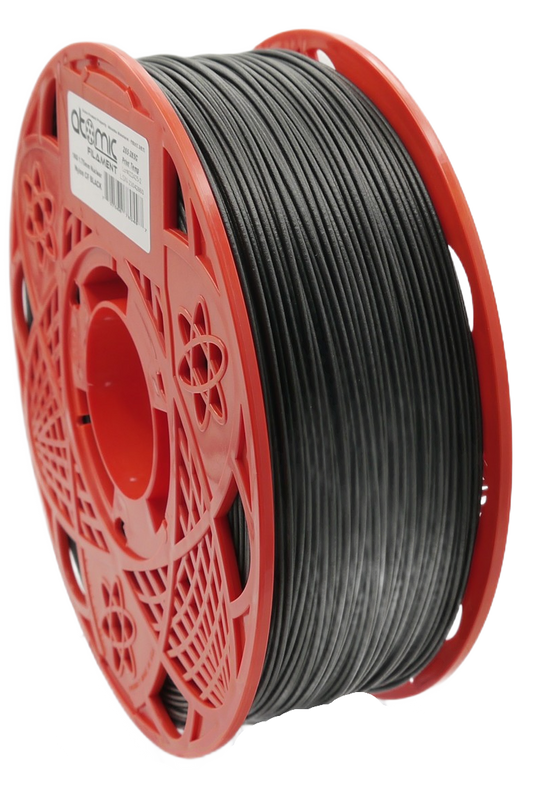
Black CARBON FIBER Nuclear Nylon v3 Filament
Regular price From $ 49.99Regular priceUnit price per -
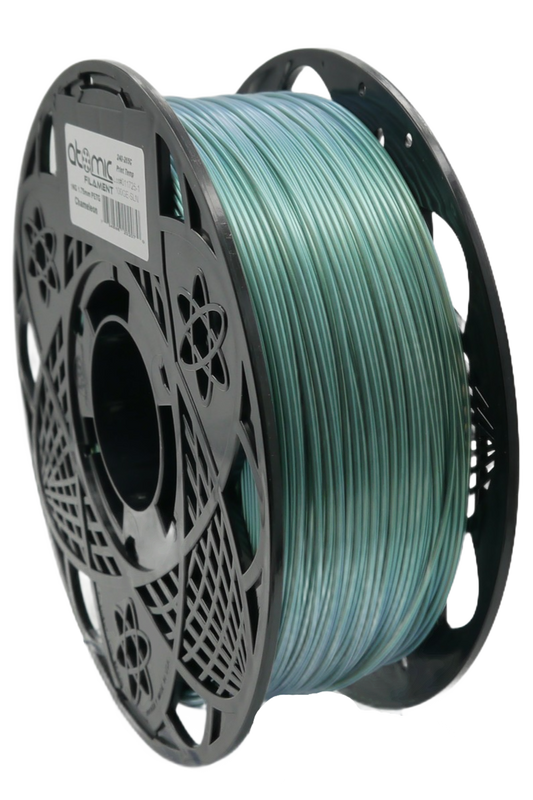
Chameleon Coastline Shade-Shifting PETG PRO AMS Compatible
Regular price $ 37.99Regular priceUnit price per -
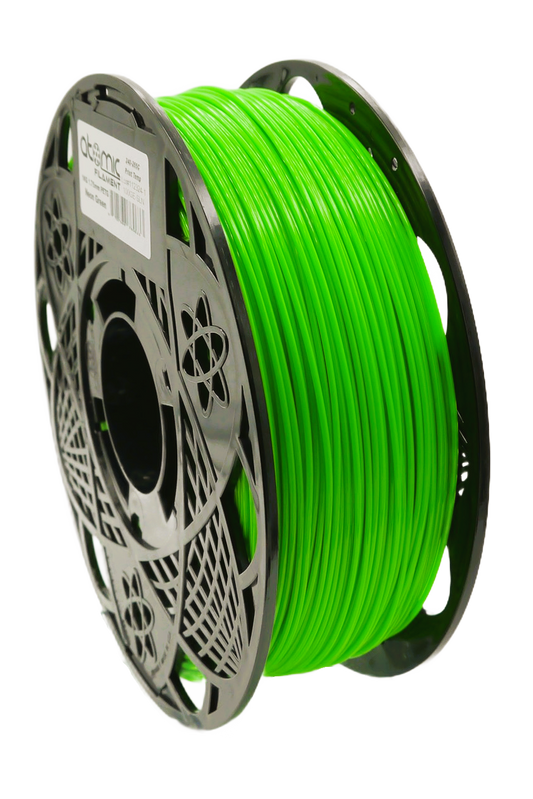
Neon Green UV Reactive Opaque PETG PRO AMS Compatible
Regular price $ 32.99Regular priceUnit price per -
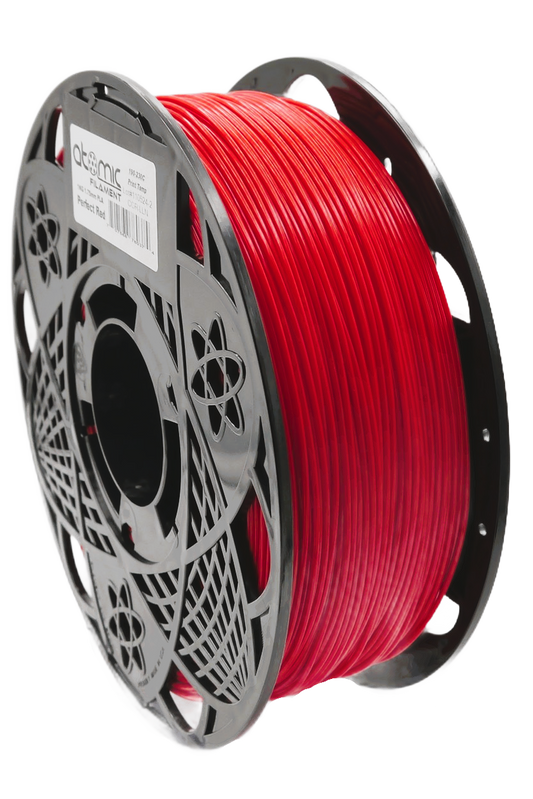
Perfect Red Opaque PETG PRO AMS Compatible
Regular price $ 32.99Regular priceUnit price per -
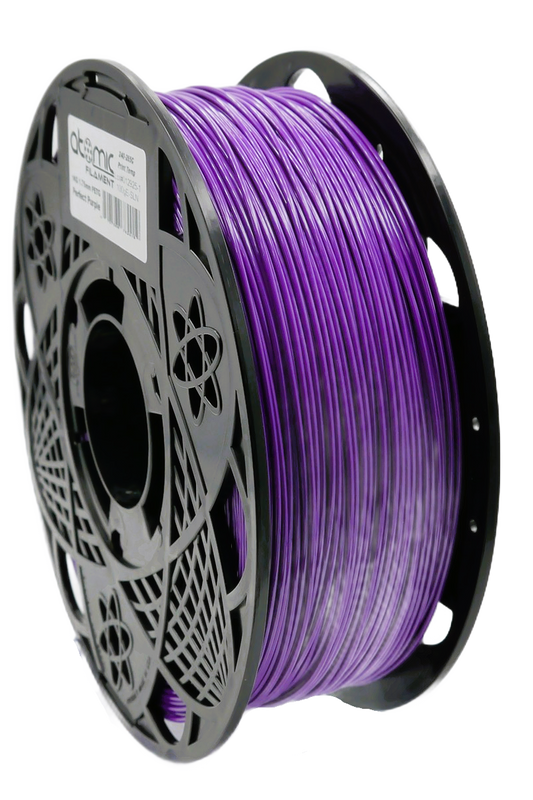
Perfect Purple PETG PRO AMS Compatible
Regular price $ 32.99Regular priceUnit price per -
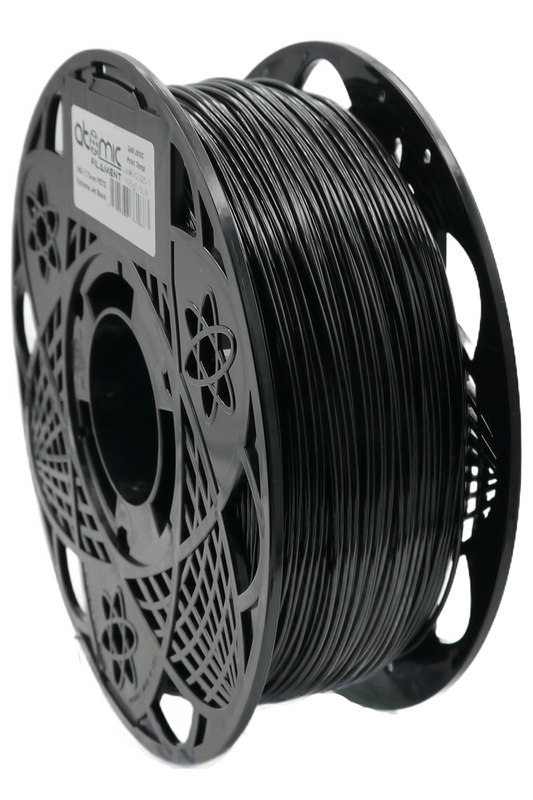
Extreme JET Black PETG PRO AMS Compatible
Regular price $ 34.99Regular priceUnit price per -
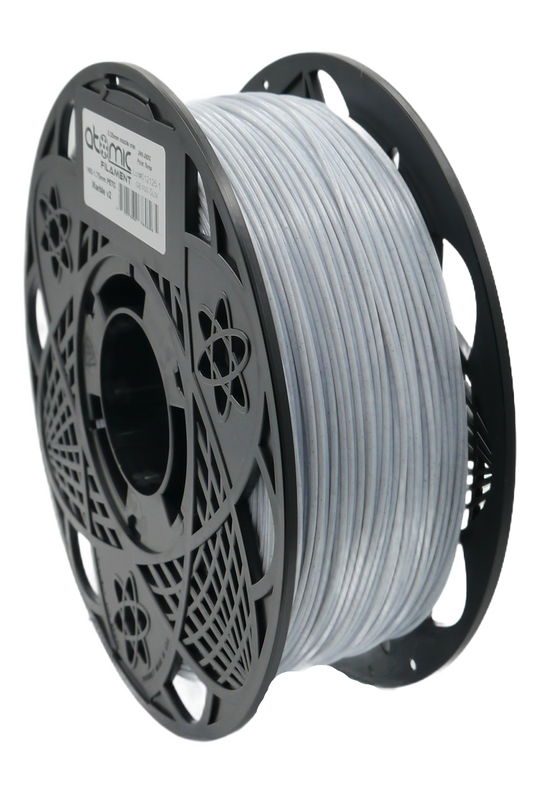
Marble v2 PETG PRO AMS Compatible
Regular price $ 32.99Regular priceUnit price per -
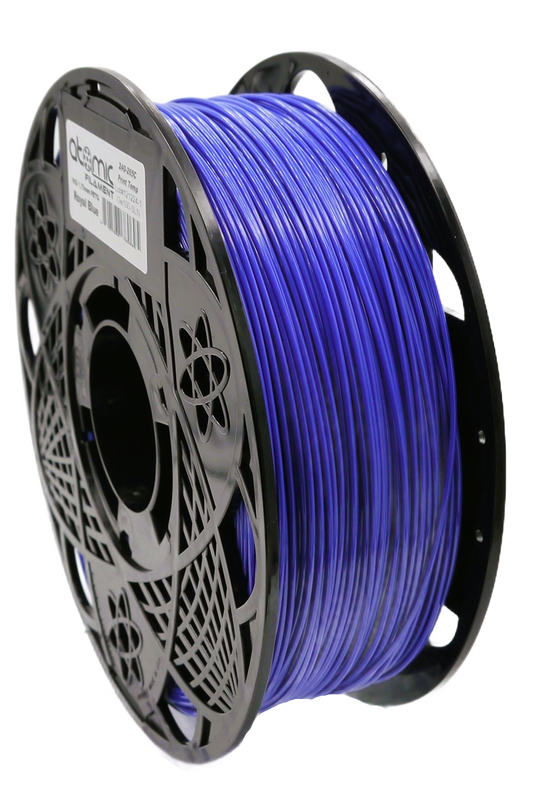
Royal Blue Opaque PETG PRO AMS Compatible
Regular price $ 32.99Regular priceUnit price per -
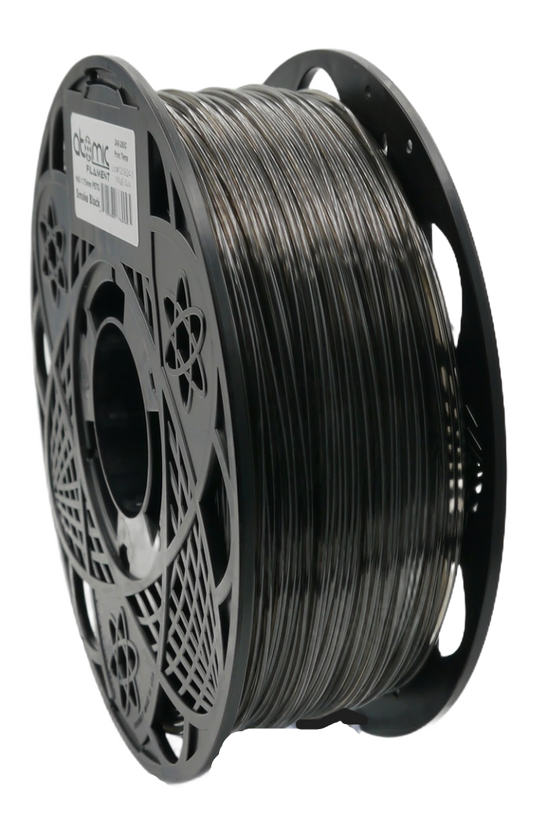
Translucent Smoke Black PETG PRO AMS Compatible
Regular price $ 26.39Regular priceUnit price per$ 32.99Sale price $ 26.39Sale -
Bug Eyes Shade-Shifting PETG - AMS Compatible
Regular price $ 37.99Regular priceUnit price per -
Neon Yellow UV Reactive Opaque PETG PRO AMS Compatible
Regular price $ 32.99Regular priceUnit price per -
Mysterious Abyss v2 Pearl PETG PRO AMS Compatible
Regular price $ 32.99Regular priceUnit price per -
Hot Pink Opaque PETG PRO AMS Compatible
Regular price $ 32.99Regular priceUnit price per -
RepRap Green PETG PRO AMS Compatible
Regular price $ 32.99Regular priceUnit price per -
Too Good to be Blue PETG Shade-Shifting Filament AMS Compatible
Regular price $ 37.99Regular priceUnit price per -
Translucent Sapphire Blue PETG PRO AMS Compatible
Regular price $ 32.99Regular priceUnit price per -
Bronze Metallic PETG PRO AMS Compatible
Regular price $ 32.99Regular priceUnit price per -
Translucent Bright Orange PETG PRO AMS Compatible
Regular price $ 32.99Regular priceUnit price per -
Emerald Green Translucent PETG PRO AMS Compatible
Regular price $ 32.99Regular priceUnit price per -
Translucent Neon Yellow PETG PRO - UV Reactive AMS Compatible
Regular price $ 32.99Regular priceUnit price per -
Dark Cherry Red PETG PRO AMS Compatible
Regular price $ 32.99Regular priceUnit price per -
Gemstone Ruby Red Translucent PETG PRO AMS Compatible
Regular price $ 32.99Regular priceUnit price per -
Majestic Brown PETG - AMS Compatible
Regular price $ 34.99Regular priceUnit price per -
Extreme Translucent Fluorescent Neon Green PETG - UV REACTIVE AMS Compatible
Regular price $ 32.99Regular priceUnit price per -
Translucent Neon Hot Pink PETG PRO - UV REACTIVE AMS Compatible
Regular price $ 32.99Regular priceUnit price per -
True Gold v2 PETG PRO AMS Compatible
Regular price $ 32.99Regular priceUnit price per -
Indigo Golden Sparkle v3 Translucent PETG PRO AMS Compatible
Regular price $ 32.99Regular priceUnit price per -
Rose Gold Metallic Translucent PETG PRO AMS Compatible
Regular price $ 32.99Regular priceUnit price per -
Aqua Translucent PETG PRO AMS Compatible
Regular price $ 32.99Regular priceUnit price per -
Baby Blue v2 PETG PRO AMS Compatible
Regular price $ 32.99Regular priceUnit price per -
Tropical Sea Iridescent Translucent PETG PRO AMS Compatible
Regular price $ 34.99Regular priceUnit price per -
Pearlescent Translucent Neon Green PETG PRO v2 - UV Reactive AMS Compatible
Regular price $ 32.99Regular priceUnit price per -
Navy Blue PETG PRO AMS Compatible
Regular price $ 32.99Regular priceUnit price per -
Starry Night Translucent v3 PETG PRO AMS Compatible
Regular price $ 32.99Regular priceUnit price per -
Golden Blood Diamond Translucent PETG PRO AMS Compatible
Regular price $ 35.99Regular priceUnit price per -
Gift Card $100
Regular price $ 100.00Regular priceUnit price per -
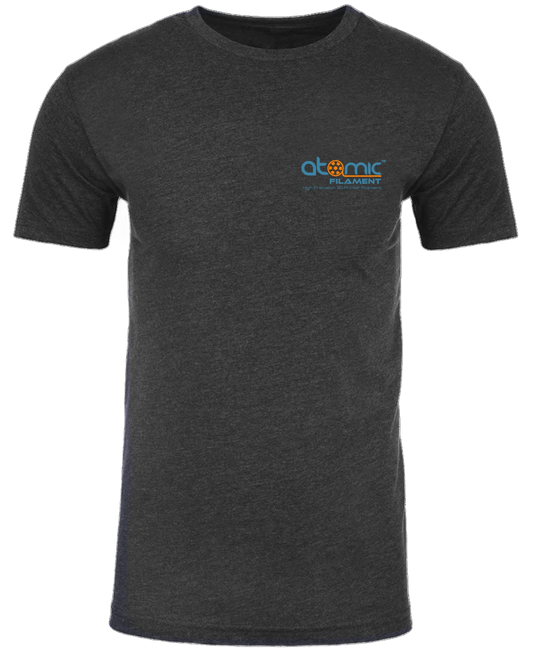
Atomic Filament Brand Shirt - 2026 Charcoal Gray
Regular price From $ 9.95Regular priceUnit price per -
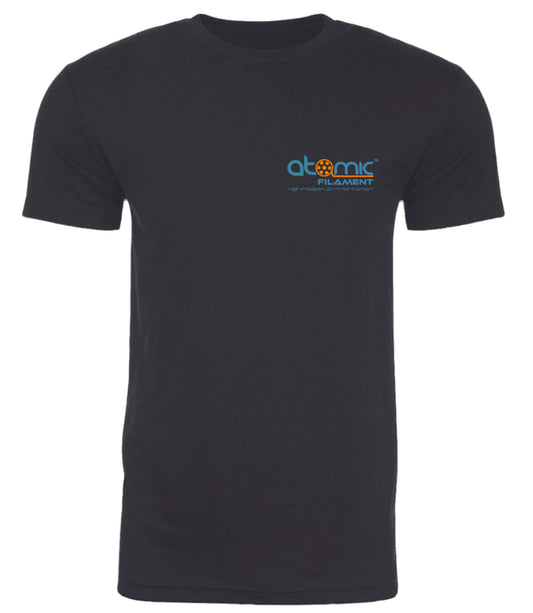
Atomic Filament Brand Shirt - 2026 Black
Regular price From $ 9.95Regular priceUnit price per -
Gift Card $50
Regular price $ 50.00Regular priceUnit price per -
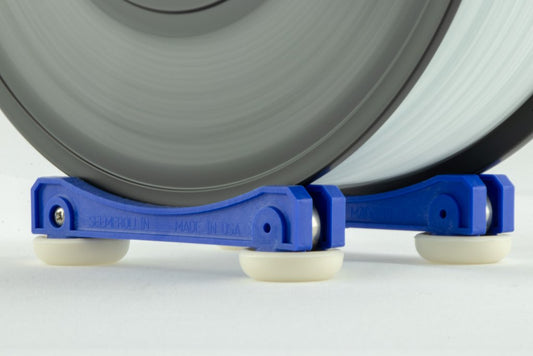
Table Top Ball Bearing Spool Holder
Regular price $ 9.99Regular priceUnit price per -
2.85mm Crystal Clear / Natural PETG PRO AMS Compatible (NOT 1.75MM!)
Regular price $ 32.99Regular priceUnit price per
US Orders Over $50 ship FREE!*