-
Bed Bond 3D Print Bed Adhesive
Regular price $ 14.99Regular priceUnit price per -
Bright White ASA Filament AMS Compatible
Regular price $ 32.99Regular priceUnit price per -
Natural ASA Filament AMS Compatible
Regular price $ 32.99Regular priceUnit price per -
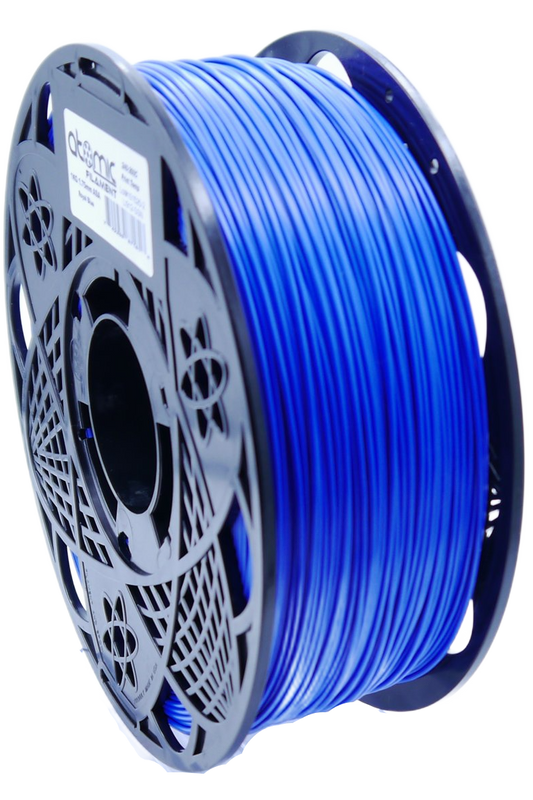
Perfect Blue ASA Filament AMS Compatible
Regular price $ 32.99Regular priceUnit price per -
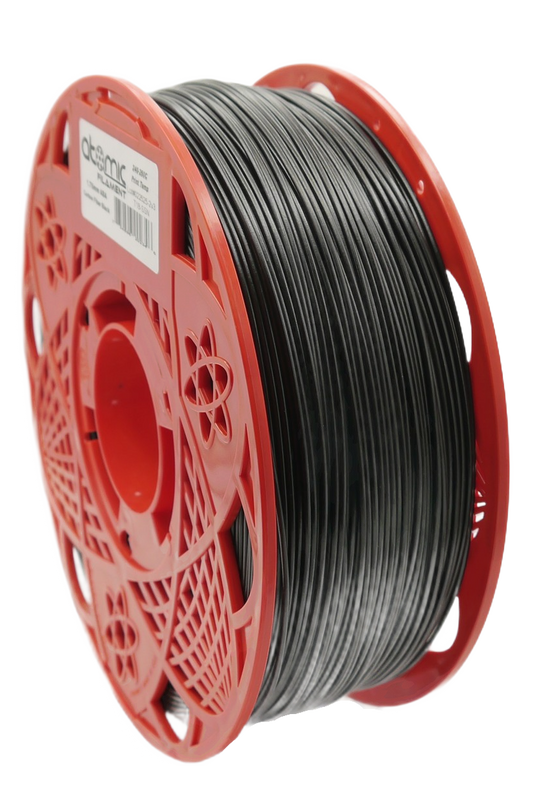
Perfect Red ASA Filament AMS Compatible
Regular price $ 32.99Regular priceUnit price per -
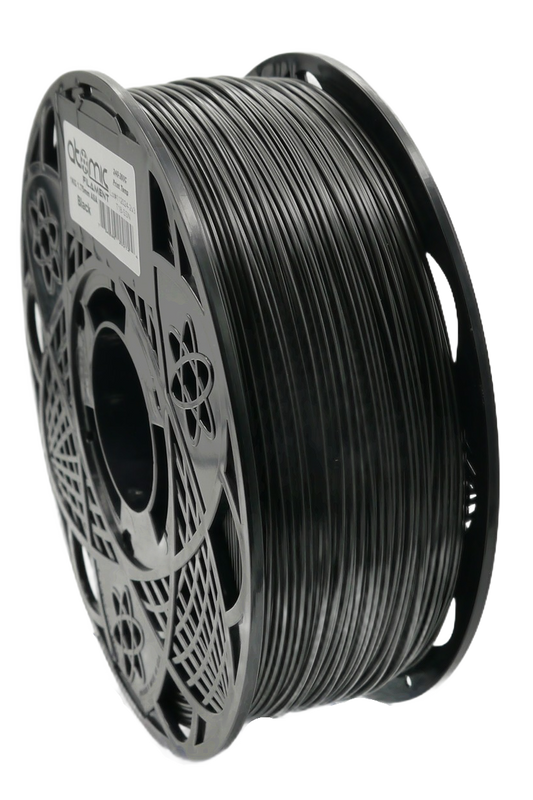
Black ASA Filament AMS Compatible
Regular price $ 32.99Regular priceUnit price per -
CARBON FIBER Black ASA Filament AMS Compatible
Regular price $ 49.99Regular priceUnit price per -
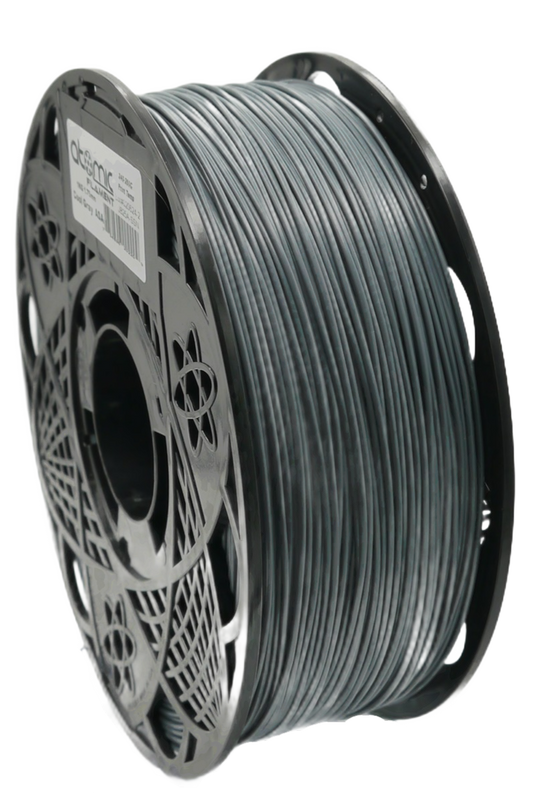
Cool Gray ASA Filament AMS Compatible
Regular price $ 32.99Regular priceUnit price per -
Dark Gray ASA Filament AMS Compatible
Regular price $ 32.99Regular priceUnit price per -
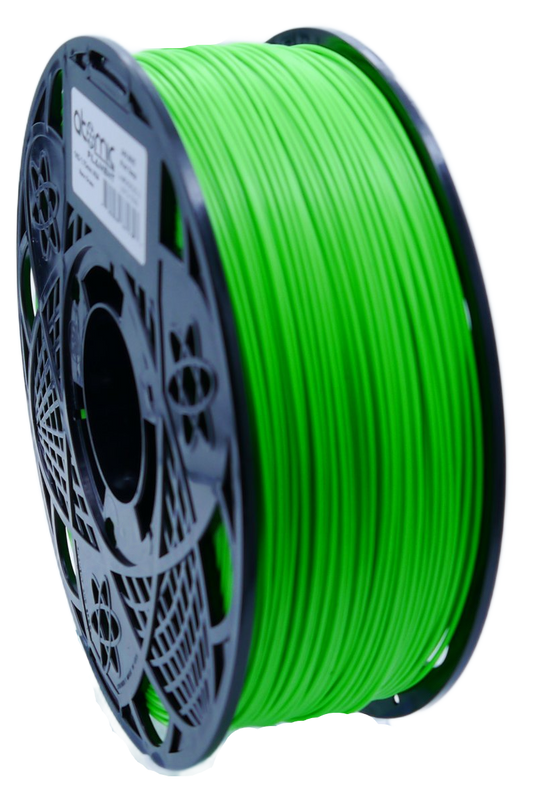
Neon Green UV Reactive Opaque ASA Filament AMS Compatible
Regular price $ 32.99Regular priceUnit price per -
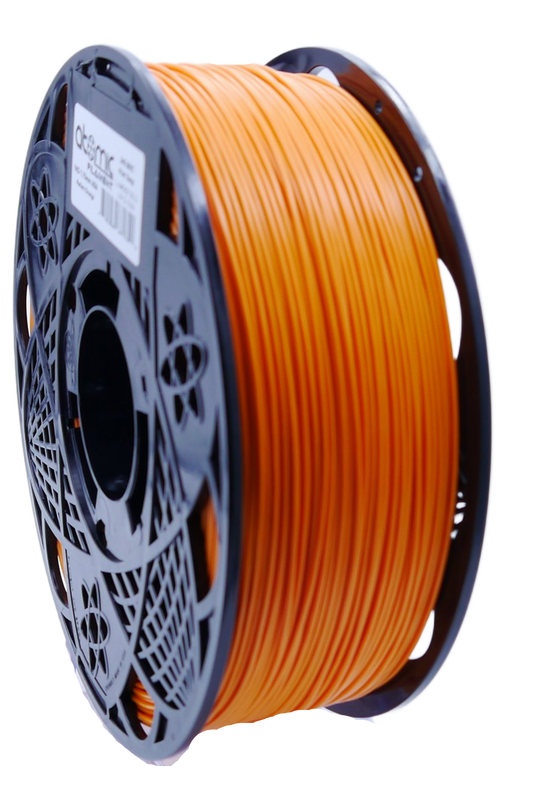
Perfect Orange ASA Filament AMS Compatible
Regular price $ 32.99Regular priceUnit price per -
Army Green ASA Filament AMS Compatible
Regular price $ 32.99Regular priceUnit price per -
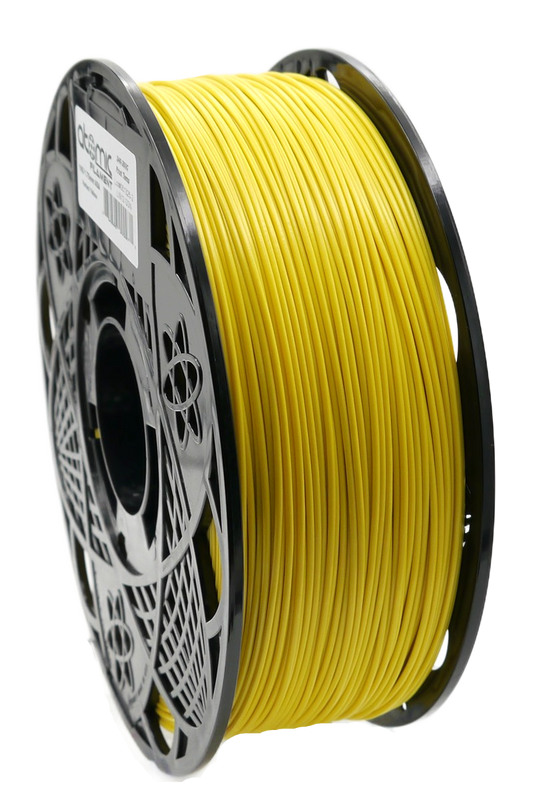
Perfect Yellow ASA Filament AMS Compatible
Regular price $ 32.99Regular priceUnit price per -
Royal Blue ASA Filament AMS Compatible
Regular price $ 32.99Regular priceUnit price per -
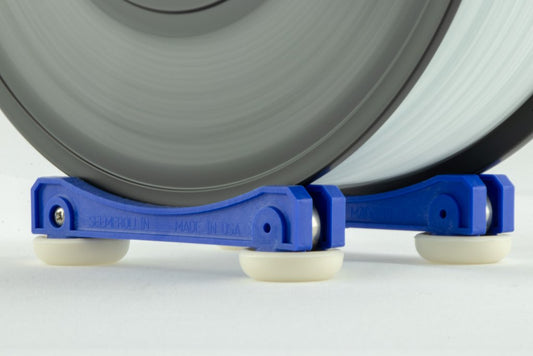
Table Top Ball Bearing Spool Holder
Regular price $ 9.99Regular priceUnit price per -
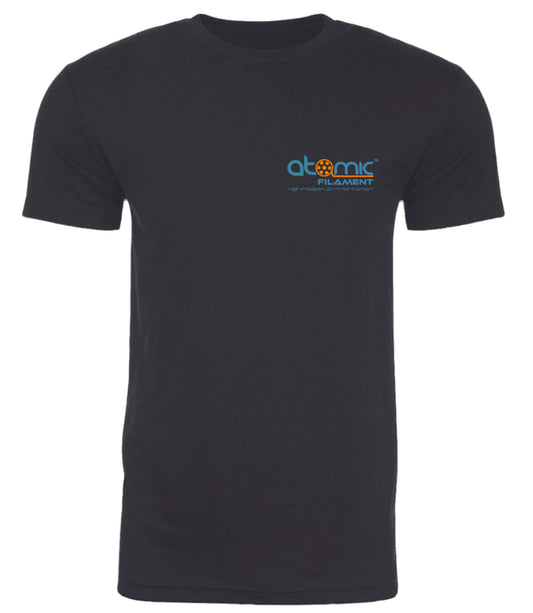
Atomic Filament Brand Shirt - 2026 Black
Regular price From $ 9.95Regular priceUnit price per -
Gift Card $100
Regular price $ 100.00Regular priceUnit price per -
Gift Card $50
Regular price $ 50.00Regular priceUnit price per -
Black ASA Filament AMS Compatible (GSA)
Regular price $ 35.99Regular priceUnit price per
US Orders Over $50 ship FREE!*