-
Bed Bond 3D Print Bed Adhesive
Regular price $ 14.99Regular priceUnit price per -
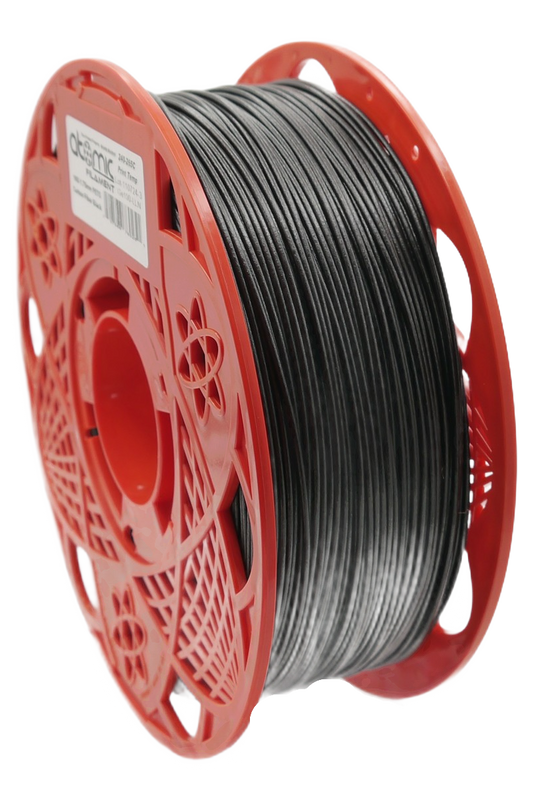
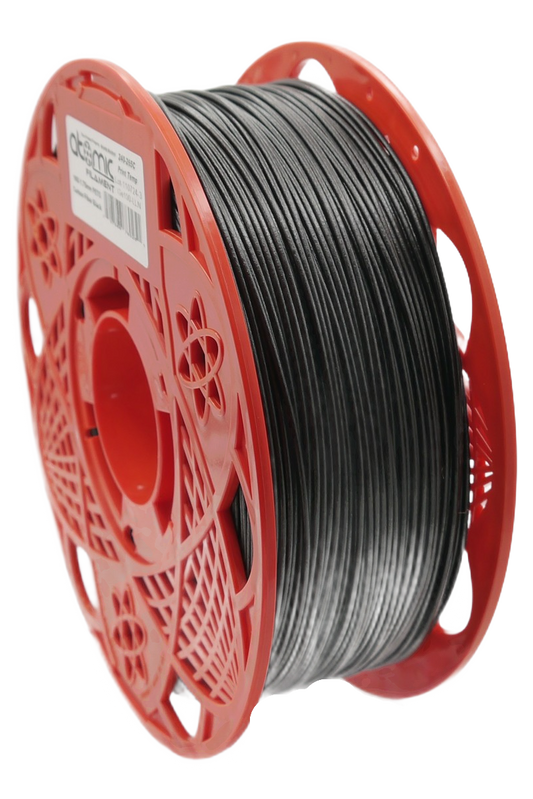
Carbon Fiber Extreme Black PCTG PRO Filament AMS Compatible
Regular price $ 53.99Regular priceUnit price per -
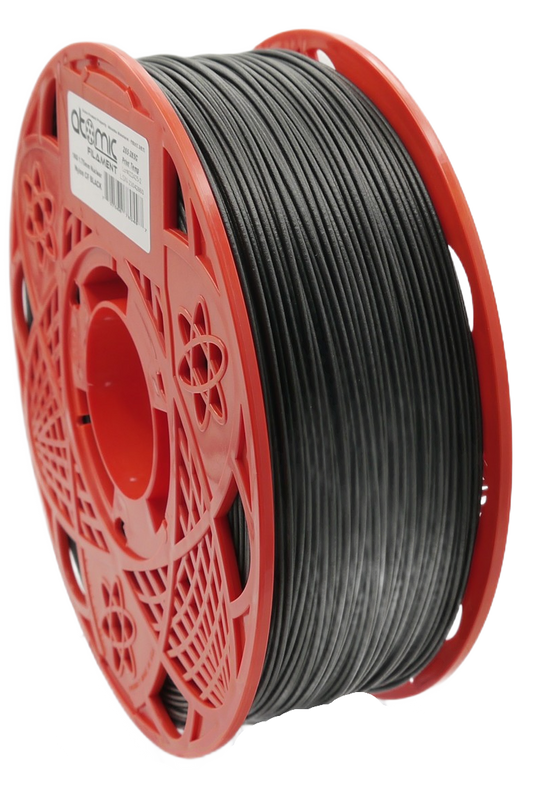
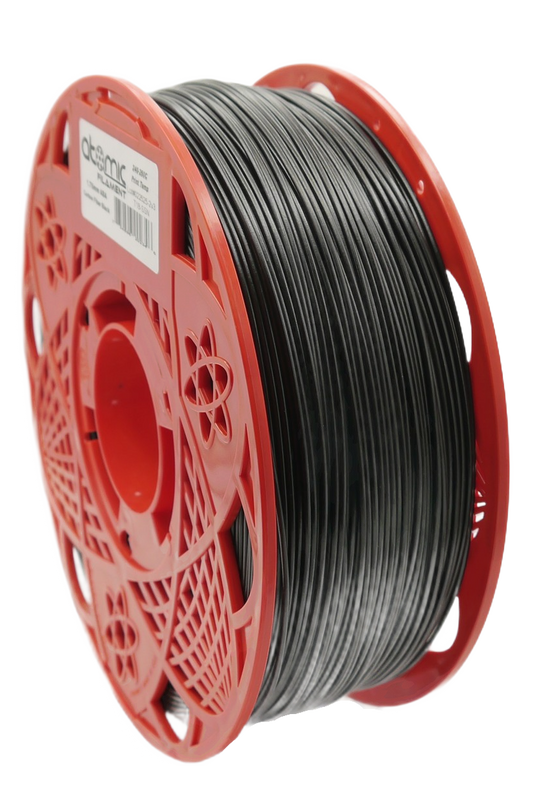
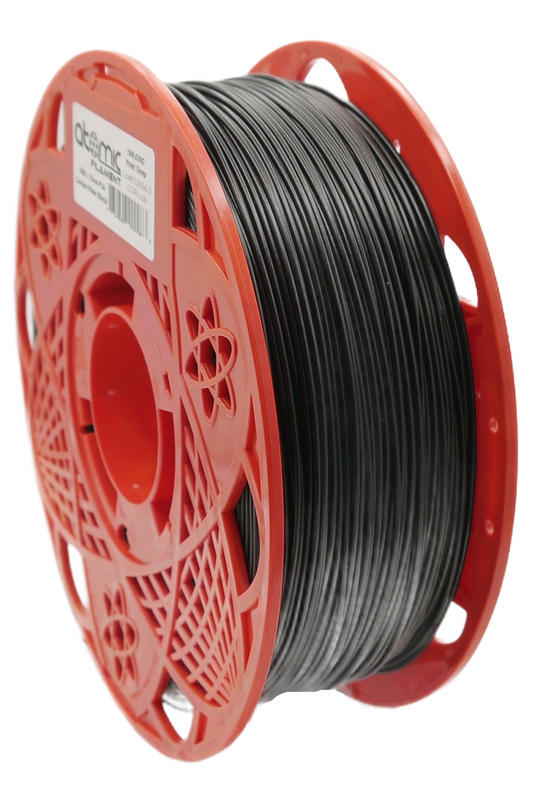
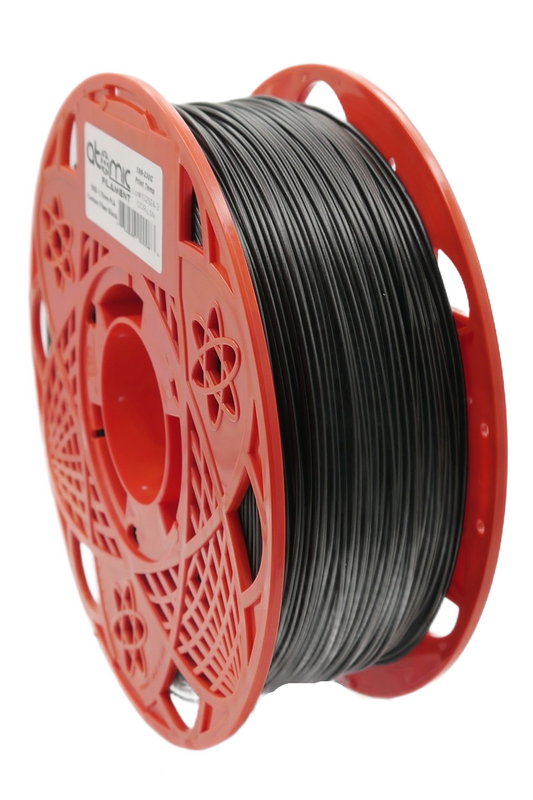
CARBON FIBER Extreme Black PETG PRO Filament AMS Compatible
Regular price $ 49.99Regular priceUnit price per -
Black CARBON FIBER Nuclear Nylon v3 Filament
Regular price From $ 49.99Regular priceUnit price per -
CARBON FIBER Black ASA Filament AMS Compatible
Regular price $ 49.99Regular priceUnit price per -
CARBON FIBER Ultra Black ABS Filament AMS Compatible
Regular price $ 49.99Regular priceUnit price per -
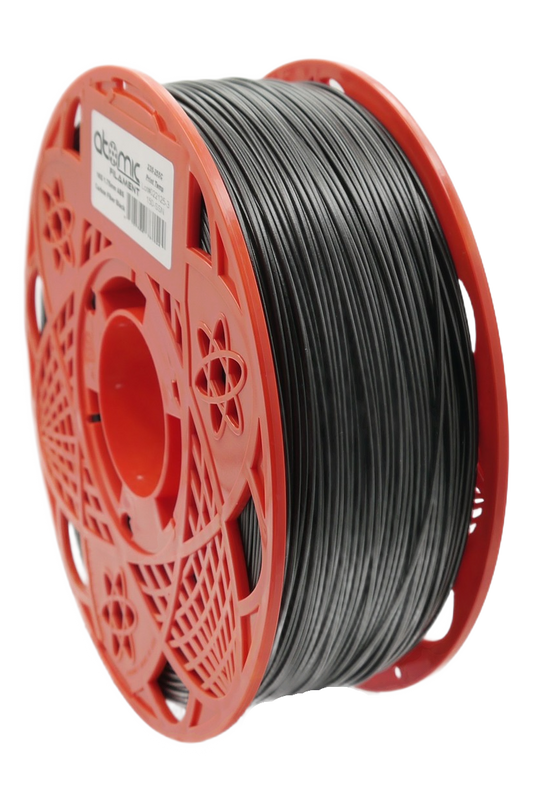
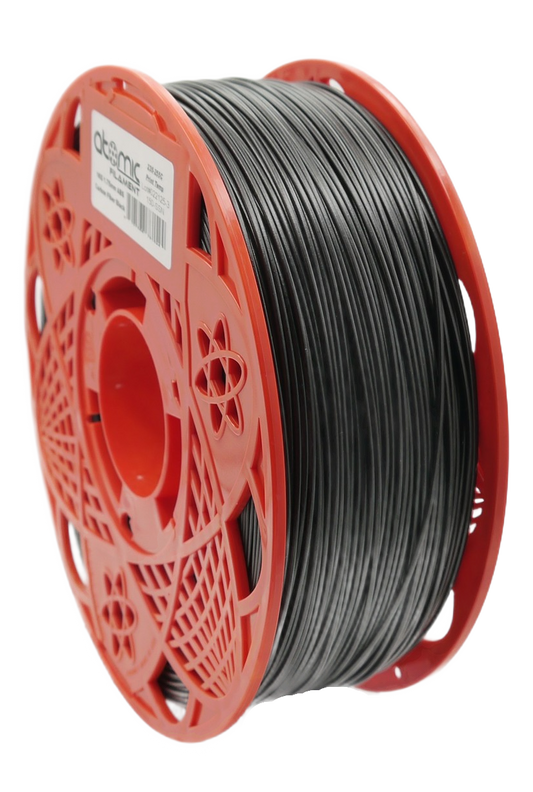
CARBON FIBER Extreme Black PLA Filament AMS Compatible
Regular price $ 49.99Regular priceUnit price per -
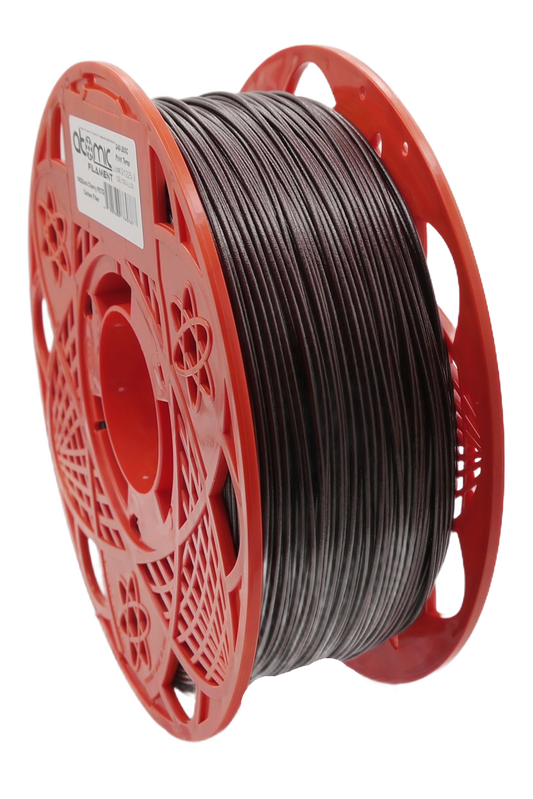
Dark Cherry CARBON FIBER Extreme PETG PRO Filament AMS Compatible
Regular price $ 39.99Regular priceUnit price per$ 49.99Sale price $ 39.99Sale -
Dark Blue CARBON FIBER Extreme PETG PRO Filament AMS Compatible
Regular price $ 49.99Regular priceUnit price per -
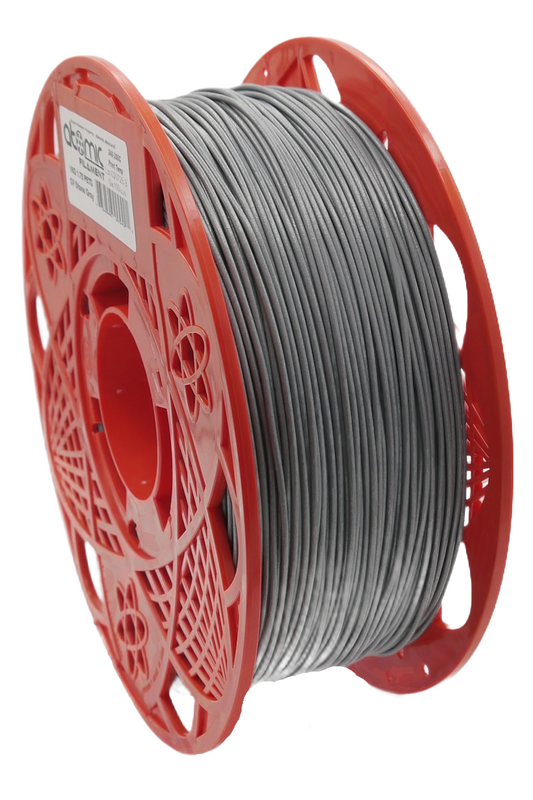
Stone Gray CARBON FIBER Extreme PETG PRO Filament AMS Compatible
Regular price $ 49.99Regular priceUnit price per -
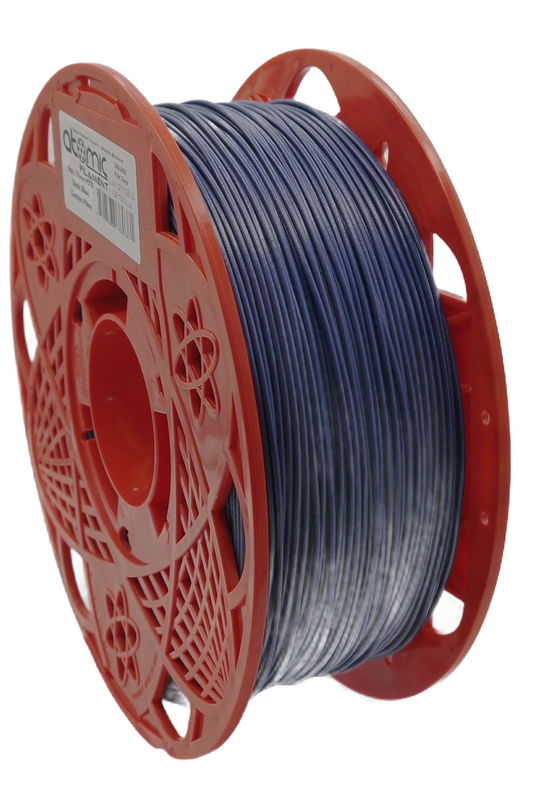
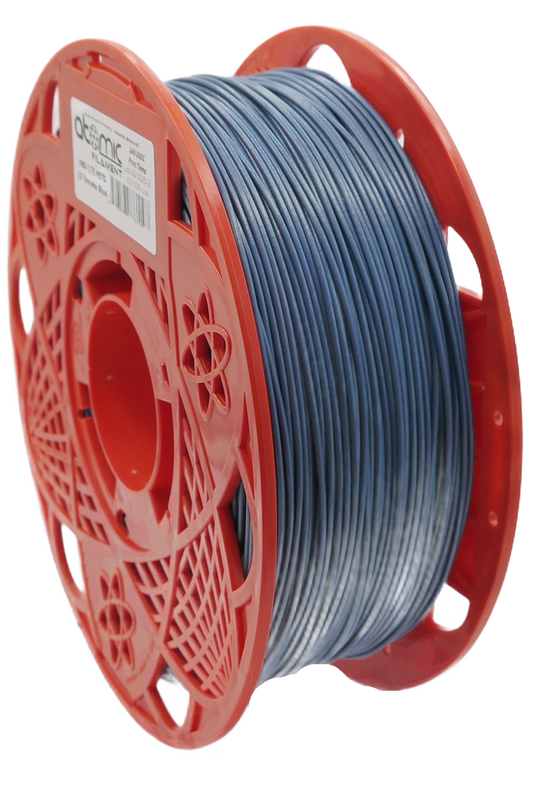
Smoke Blue CARBON FIBER Extreme PETG PRO Filament AMS Compatible
Regular price $ 49.99Regular priceUnit price per -
3.5KG CARBON FIBER Black ASA Filament
Regular price $ 179.99Regular priceUnit price per -
3.5KG CARBON FIBER Extreme Black PLA Filament
Regular price $ 174.99Regular priceUnit price per -
3.5KG CARBON FIBER Ultra Black ABS Filament
Regular price $ 151.99Regular priceUnit price per$ 189.99Sale price $ 151.99Sale -
3.5KG CARBON FIBER Extreme Black PETG PRO Filament
Regular price $ 179.99Regular priceUnit price per -
2.85mm - 3.5KG CARBON FIBER Extreme Black PETG PRO Filament
Regular price $ 179.99Regular priceUnit price per -
Gift Card $100
Regular price $ 100.00Regular priceUnit price per -
Gift Card $50
Regular price $ 50.00Regular priceUnit price per -
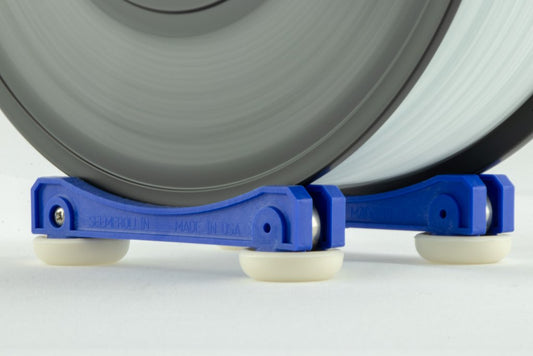
Table Top Ball Bearing Spool Holder
Regular price $ 9.99Regular priceUnit price per
US Orders Over $50 ship FREE!*