-
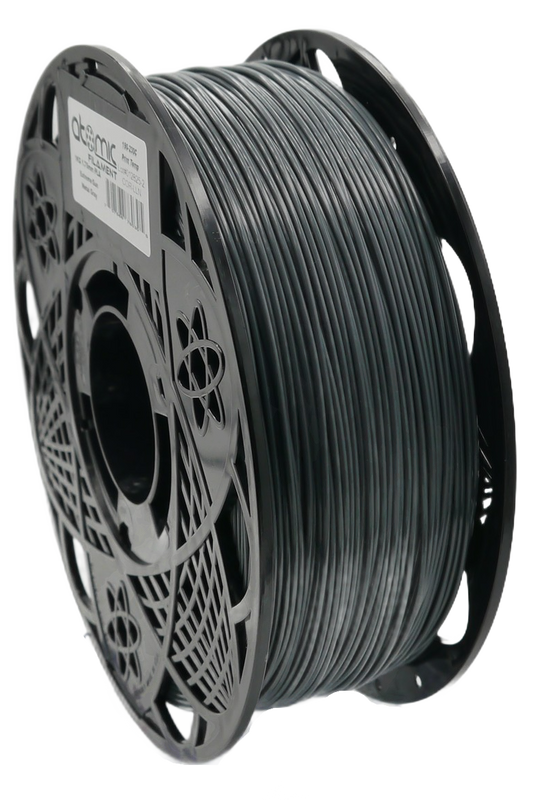
Extreme Impact Gun Metal Gray v2 PLA Filament AMS Compatible
Regular price $ 34.99Regular priceUnit price per -
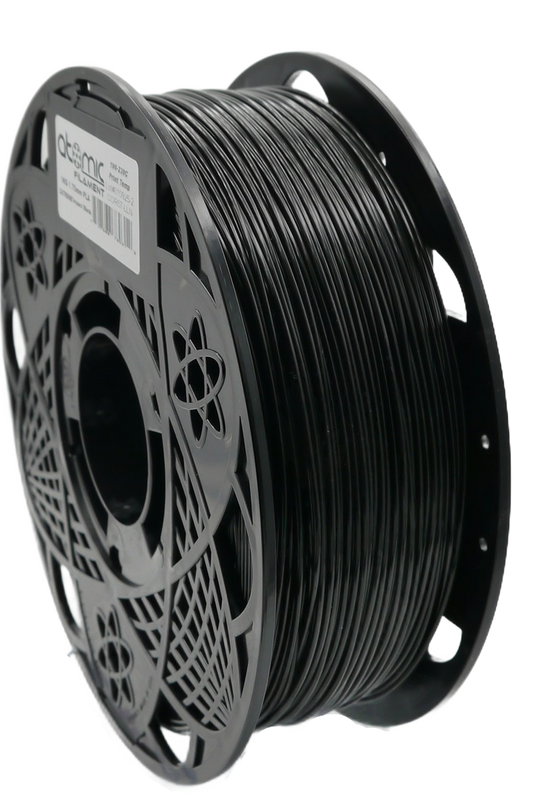
Extreme Impact Modified Black PLA Filament AMS Compatible
Regular price $ 34.99Regular priceUnit price per -
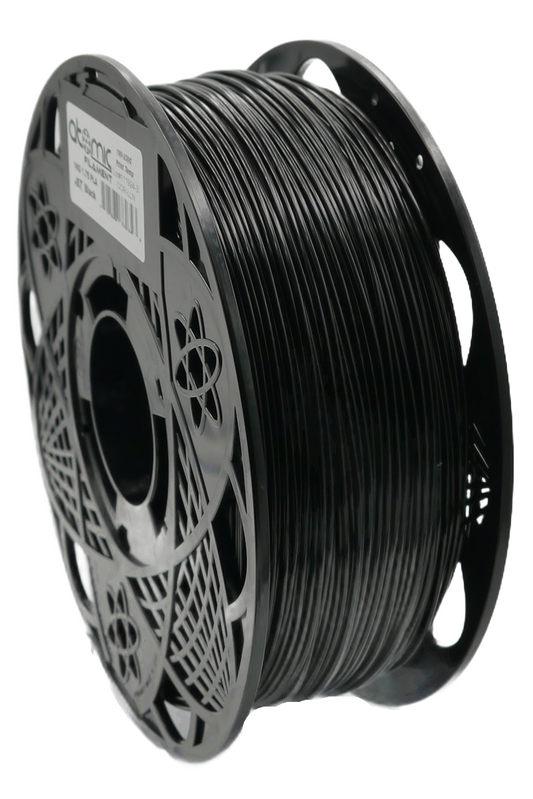
Extreme JET Black PLA Filament AMS Compatible
Regular price $ 31.99Regular priceUnit price per -
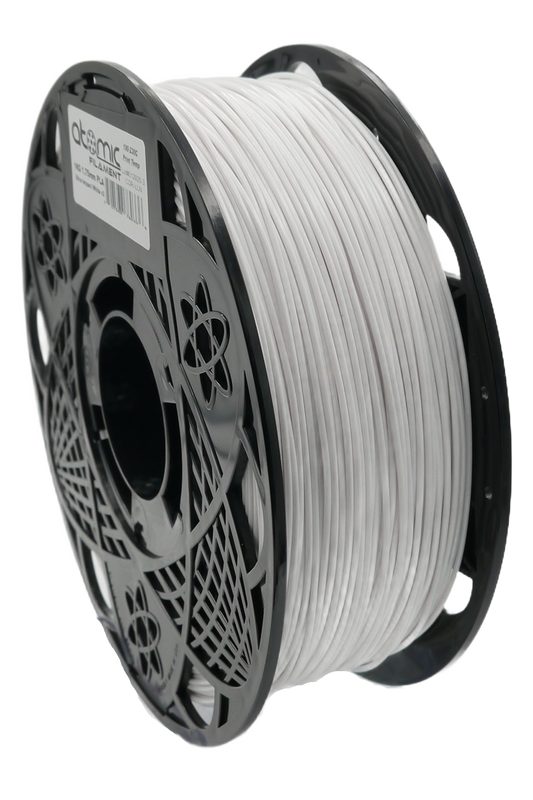
Ultra Impact Modified White v2 PLA Filament AMS Compatible
Regular price $ 34.99Regular priceUnit price per -
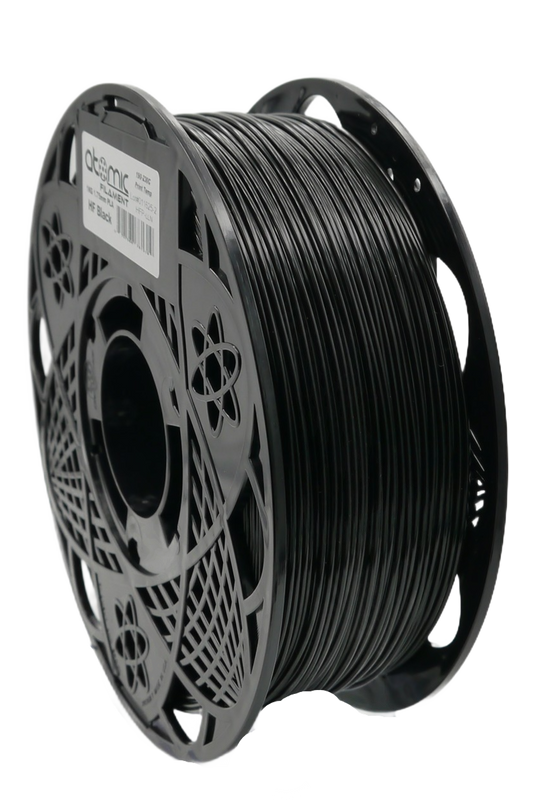
Black Hi-Flow Pro PLA AMS Compatible
Regular price $ 31.99Regular priceUnit price per -
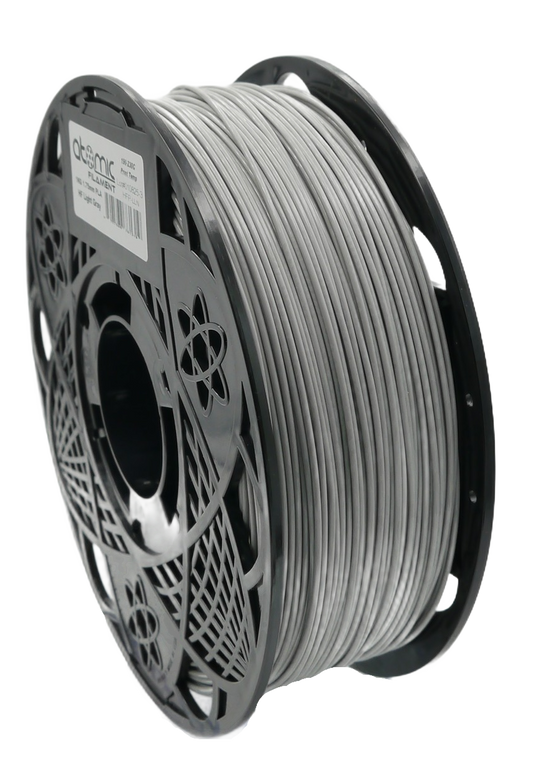
Light Gray Hi-Flow Pro PLA Filament AMS Compatible
Regular price $ 31.99Regular priceUnit price per -
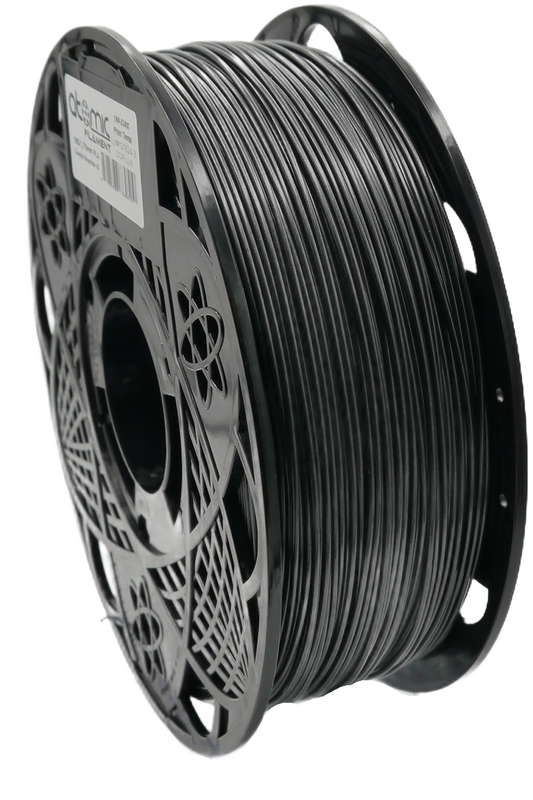
Black PLA Filament AMS Compatible
Regular price $ 29.99Regular priceUnit price per -
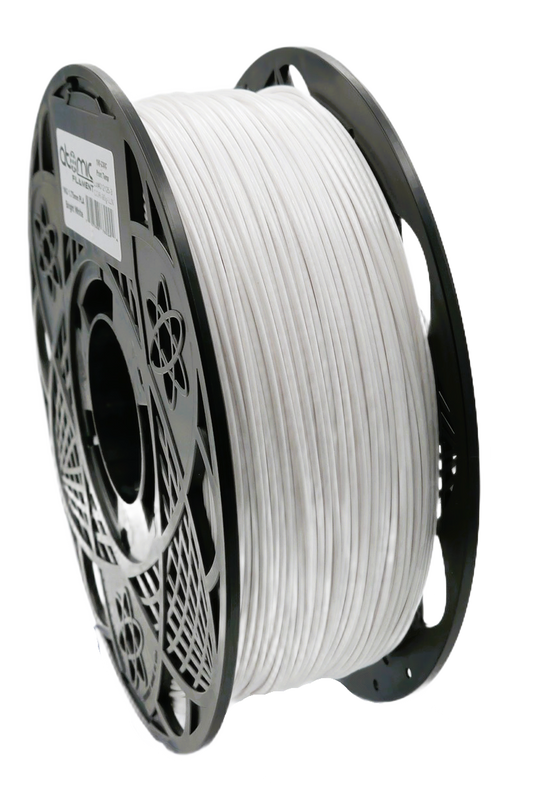
Bright White PLA Filament AMS Compatible
Regular price $ 29.99Regular priceUnit price per -
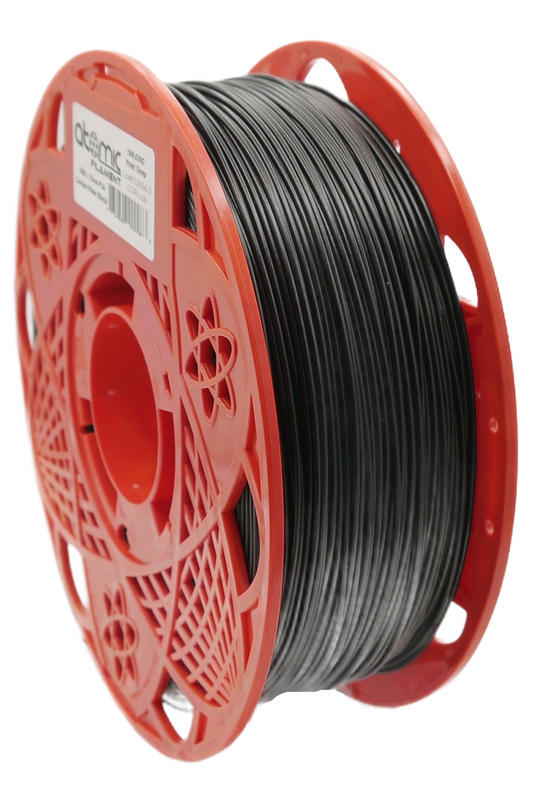
CARBON FIBER Extreme Black PLA Filament AMS Compatible
Regular price $ 49.99Regular priceUnit price per -
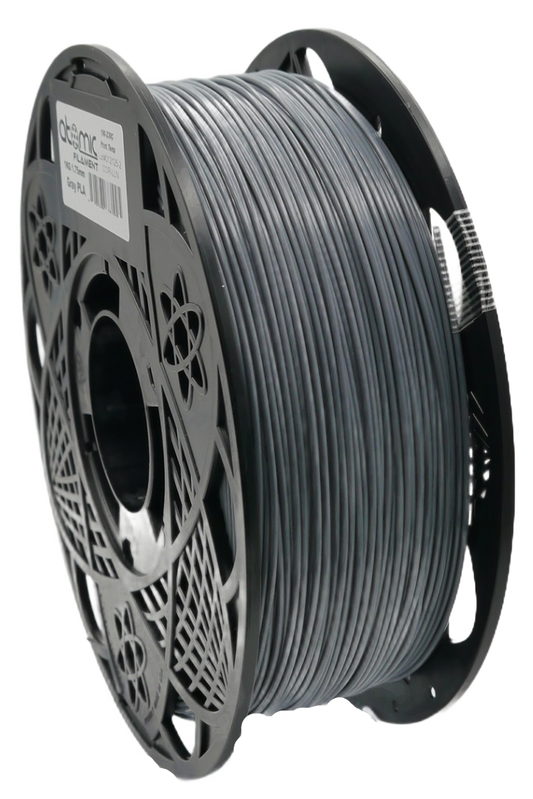
Gray PLA Filament AMS Compatible
Regular price $ 29.99Regular priceUnit price per -
Groovy Purple PLA Shade-Shifting Filament AMS Compatible
Regular price $ 35.99Regular priceUnit price per -
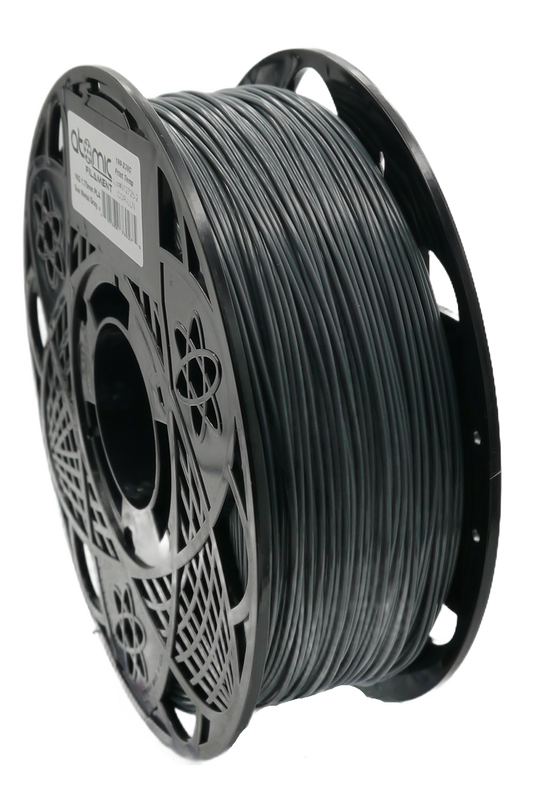
Gun Metal Gray PLA v2 Filament AMS Compatible
Regular price $ 29.99Regular priceUnit price per -
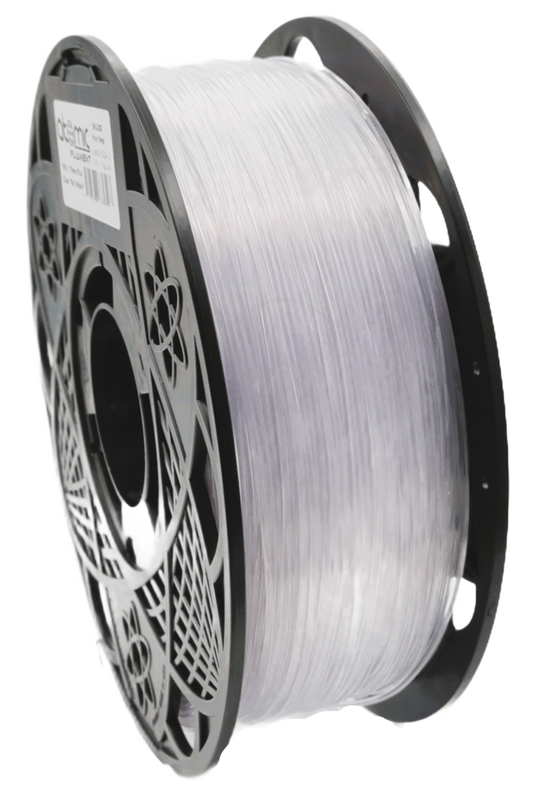
Clear / Natural PLA Filament "NO YELLOW HUE" AMS Compatible
Regular price $ 29.99Regular priceUnit price per -
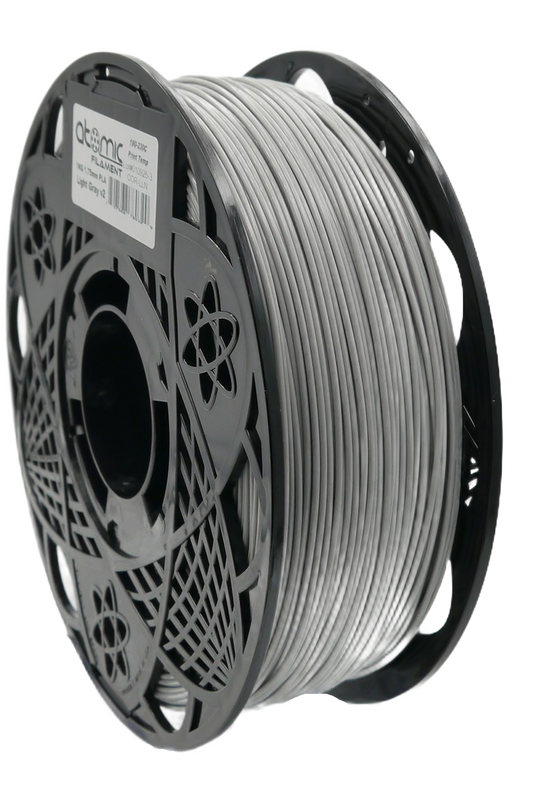
Light Gray v2 PLA Filament AMS Compatible
Regular price $ 29.99Regular priceUnit price per -
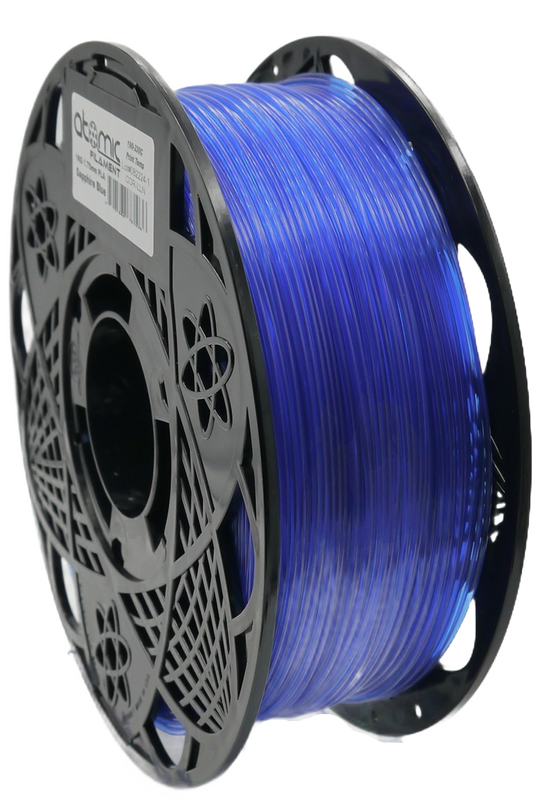
Translucent Sapphire Blue PLA AMS Compatible
Regular price $ 29.99Regular priceUnit price per -
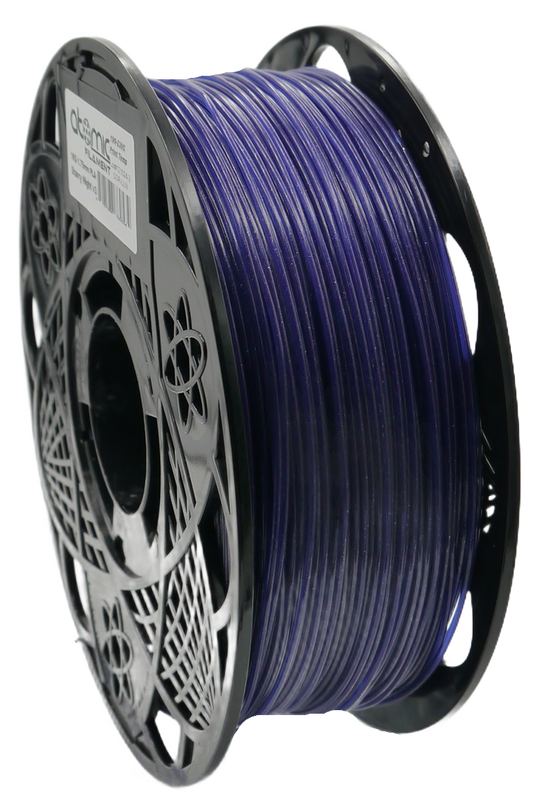
Starry Night Translucent v3 PLA AMS Compatible
Regular price $ 29.99Regular priceUnit price per -
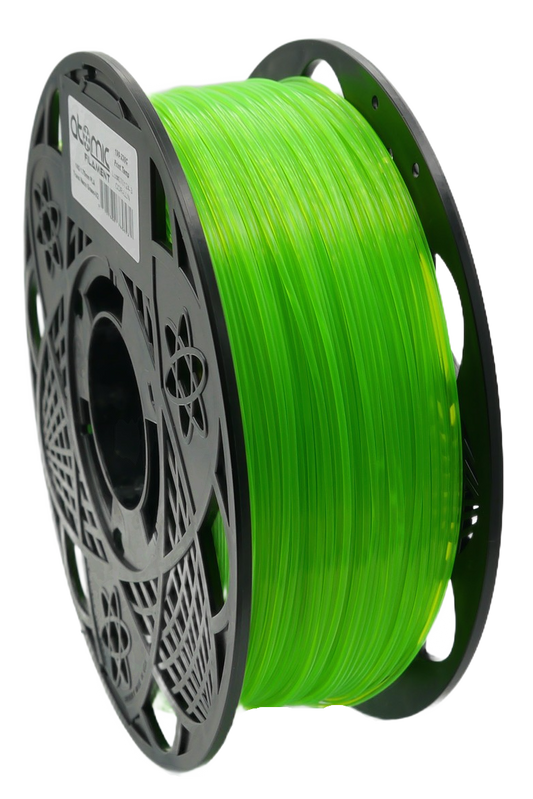
Translucent Neon Green PLA v2 - UV REACTIVE AMS Compatible
Regular price $ 29.99Regular priceUnit price per -
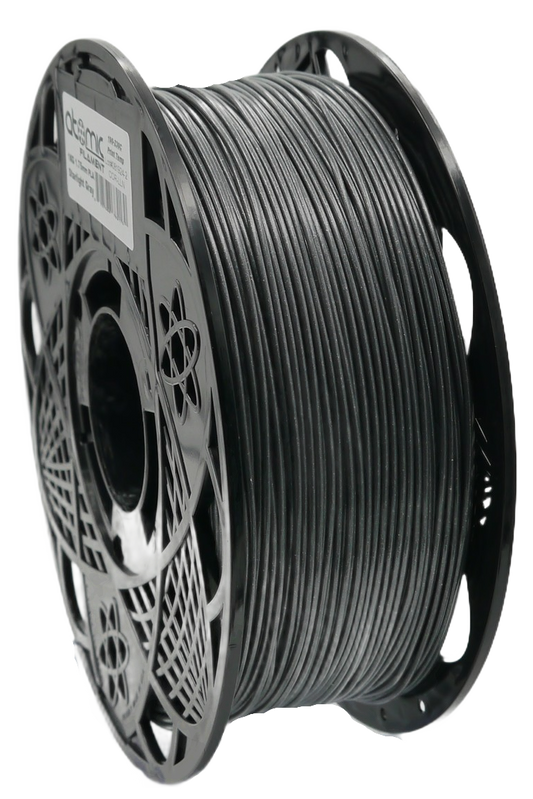
Starlight Gray PLA AMS Compatible
Regular price $ 29.99Regular priceUnit price per -
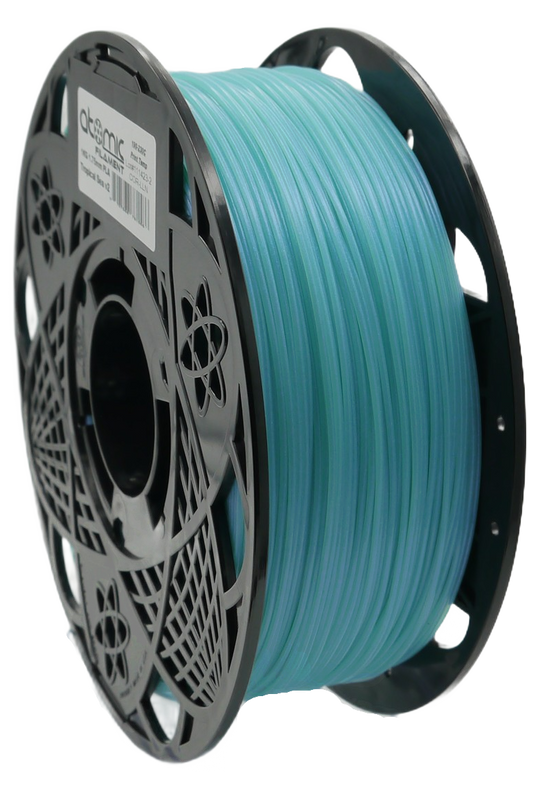
Tropical Sea Iridescent Translucent v2 PLA AMS Compatible
Regular price $ 32.99Regular priceUnit price per -
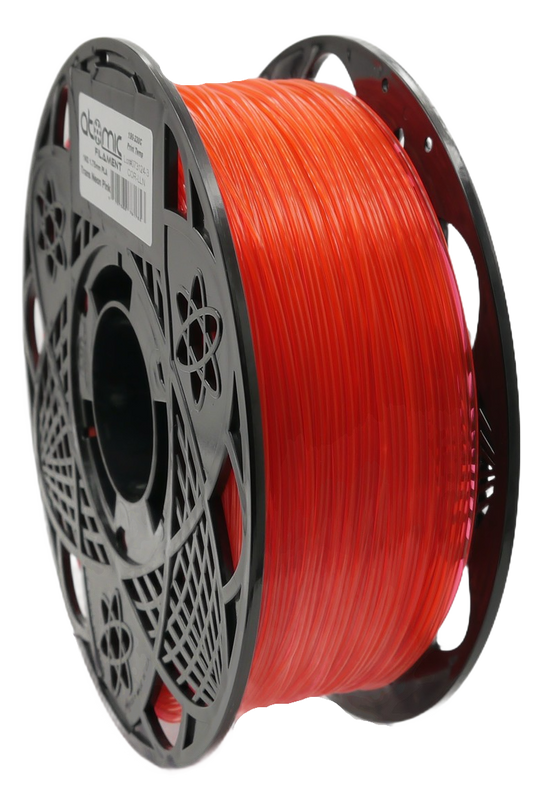
Fluorescent Translucent Neon Hot Pink PLA - UV REACTIVE AMS Compatible
Regular price $ 29.99Regular priceUnit price per -
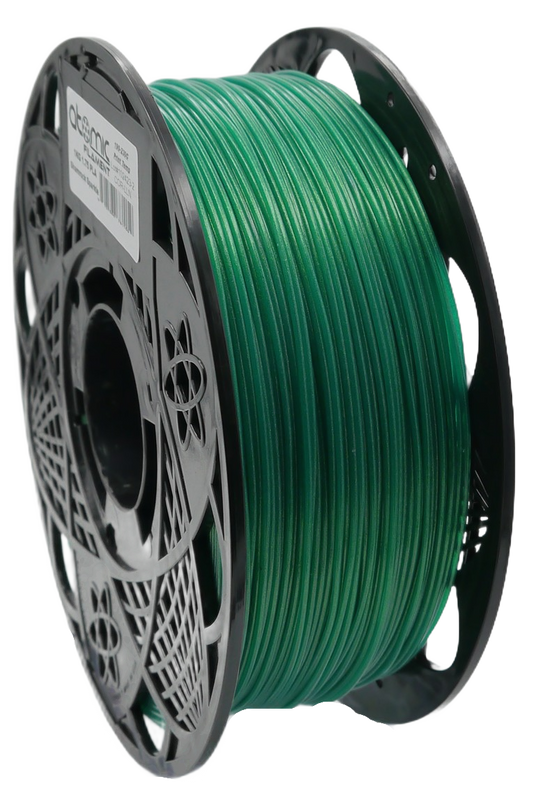
Shamrock Sparkle PLA AMS Compatible
Regular price $ 32.99Regular priceUnit price per -
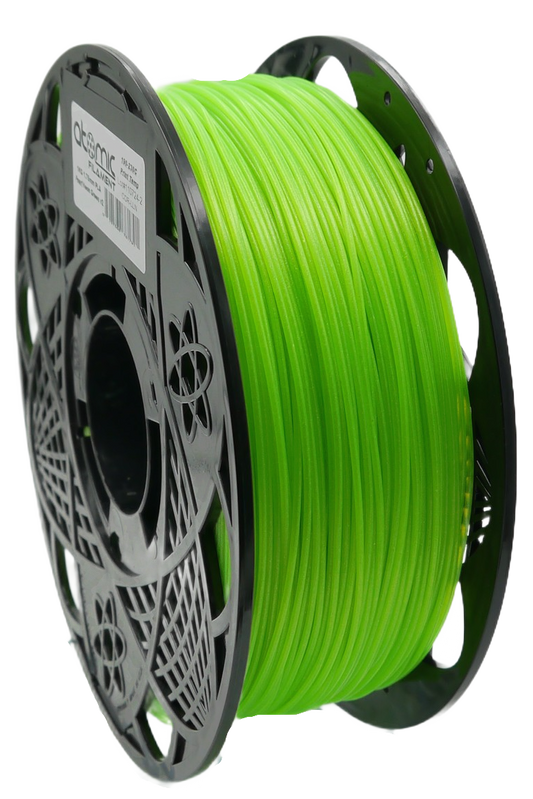
Pearlescent Translucent Neon Green v2 PLA - UV REACTIVE AMS Compatible
Regular price $ 32.99Regular priceUnit price per -
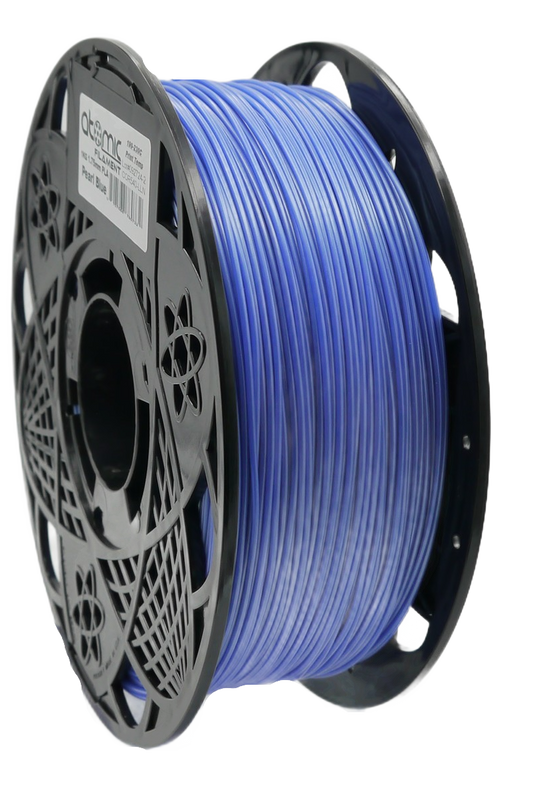
Pearlescent Blue PLA Filament AMS Compatible
Regular price $ 29.99Regular priceUnit price per -
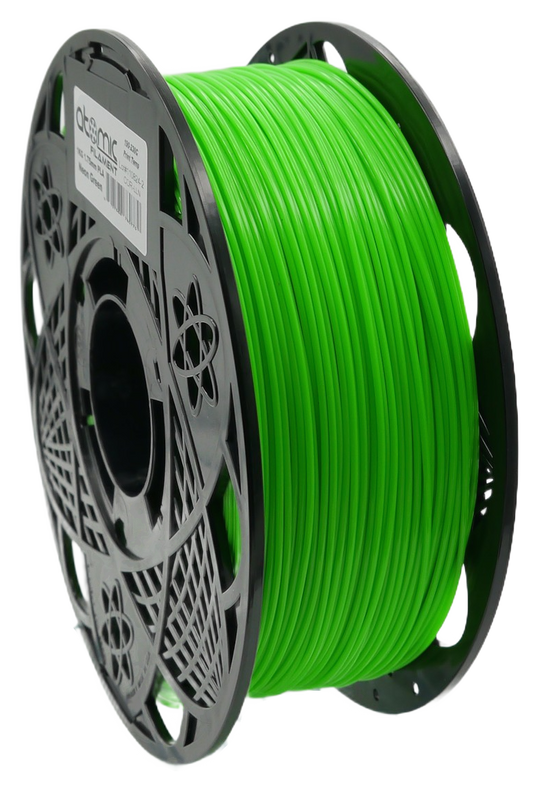
Neon Green UV Reactive PLA v2 AMS Compatible
Regular price $ 29.99Regular priceUnit price per -
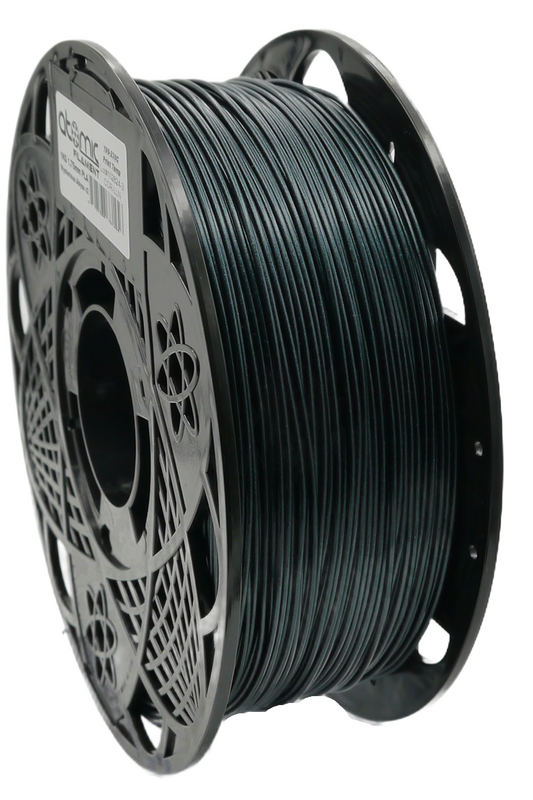
Mysterious Abyss v2 Pearl PLA AMS Compatible
Regular price $ 34.99Regular priceUnit price per -
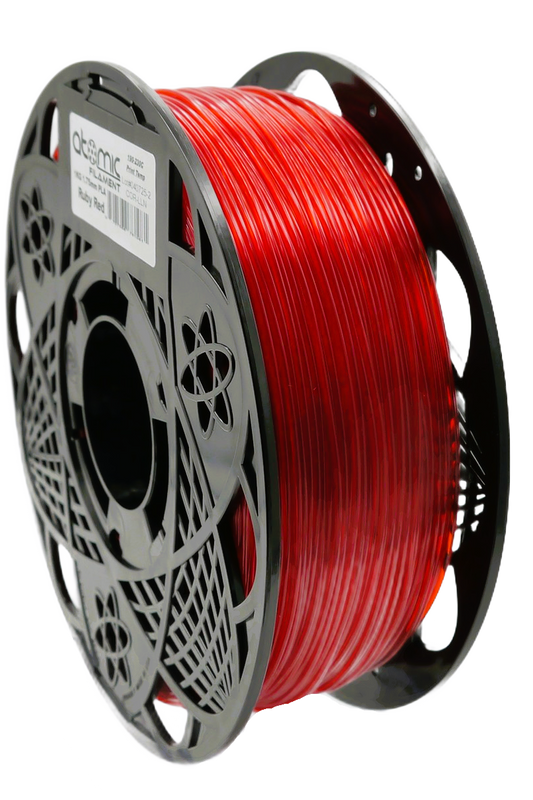
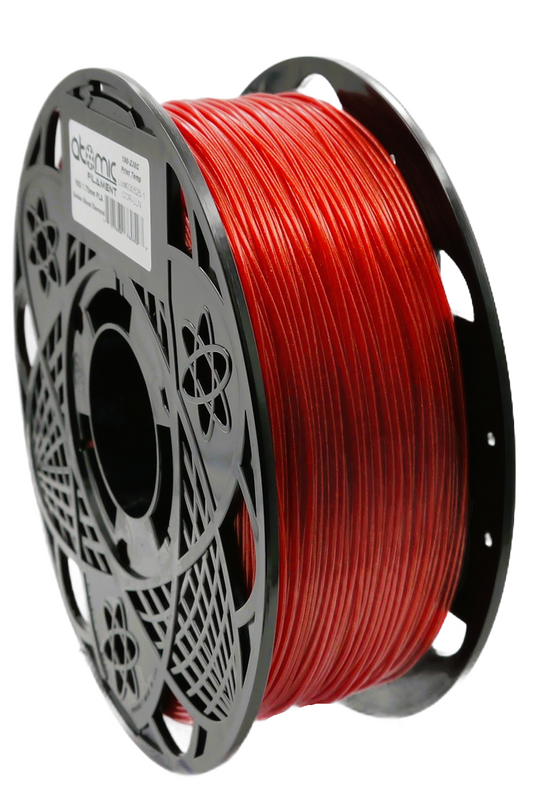
Gemstone Ruby Red Translucent PLA AMS Compatible
Regular price $ 29.99Regular priceUnit price per -
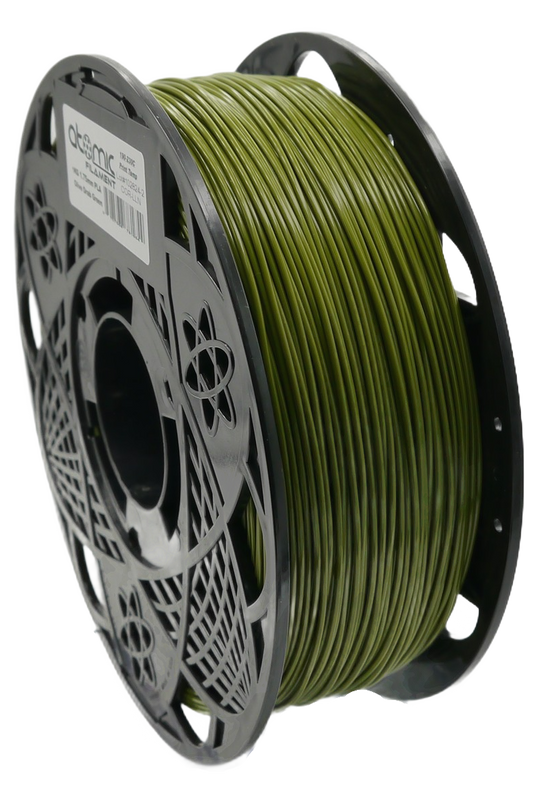
Olive Drab Green PLA AMS Compatible
Regular price $ 29.99Regular priceUnit price per -
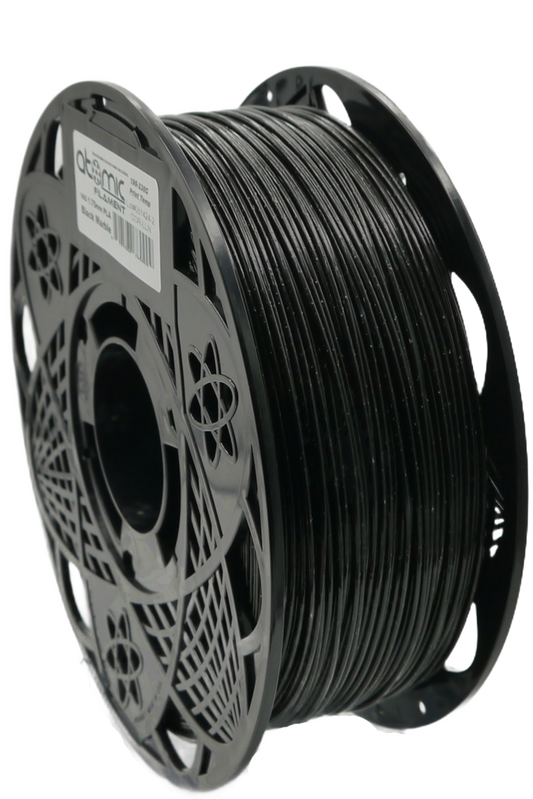
Black Marble PLA Filament AMS Compatible
Regular price $ 29.99Regular priceUnit price per -
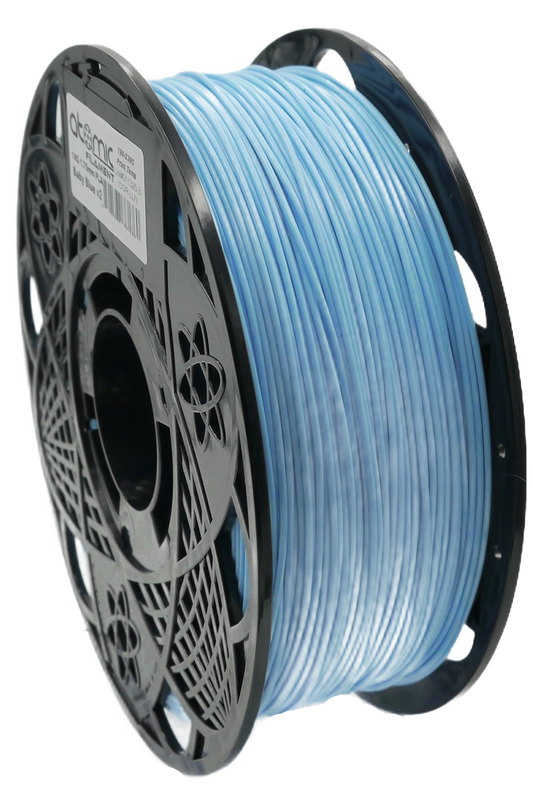
Baby Blue v2 PLA Filament AMS Compatible
Regular price $ 29.99Regular priceUnit price per -
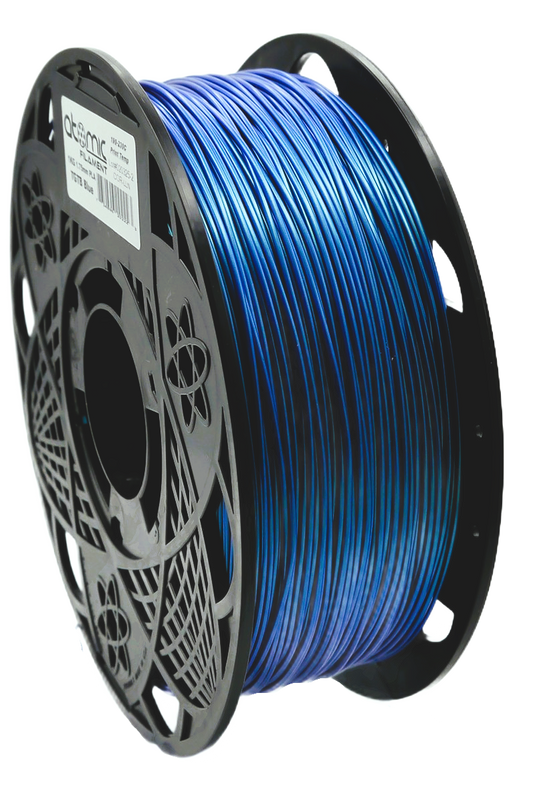
Translucent Midnight Blue PLA AMS Compatible
Regular price $ 32.99Regular priceUnit price per -
Indigo Golden Sparkle v3 Translucent PLA AMS Compatible
Regular price $ 32.49Regular priceUnit price per -
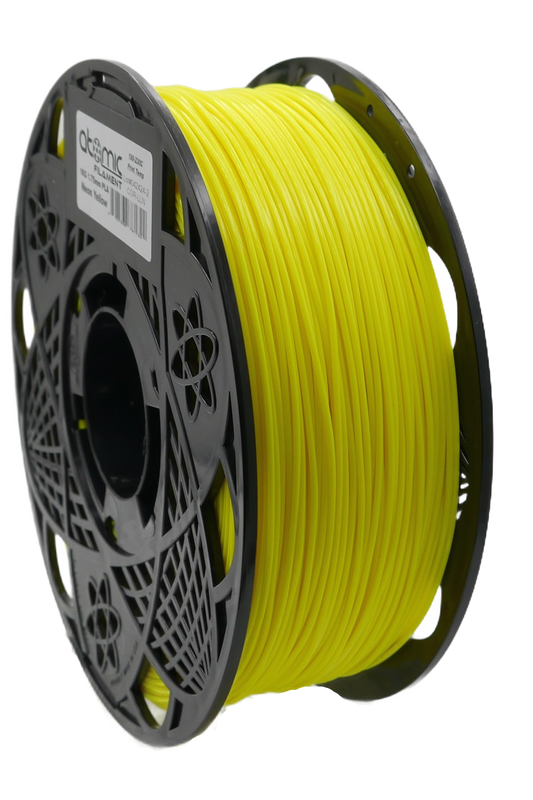
Neon Yellow UV Reactive PLA AMS Compatible
Regular price $ 29.99Regular priceUnit price per -
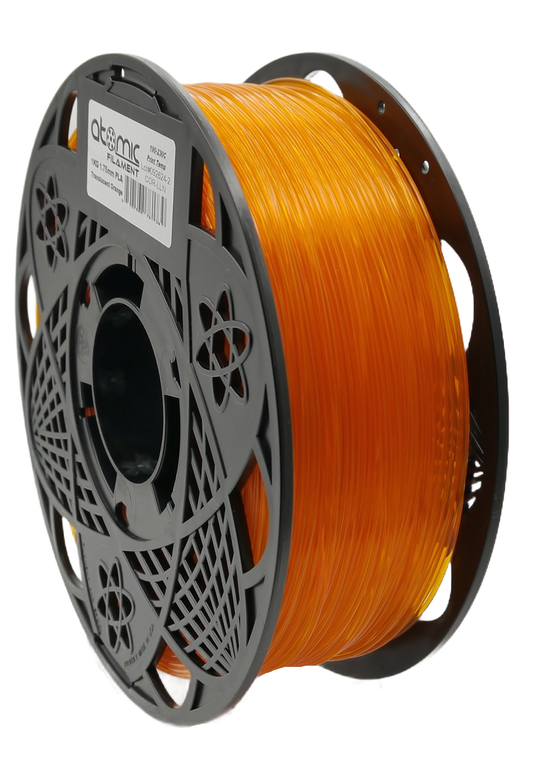
Translucent Bright Orange PLA AMS Compatible
Regular price $ 29.99Regular priceUnit price per -
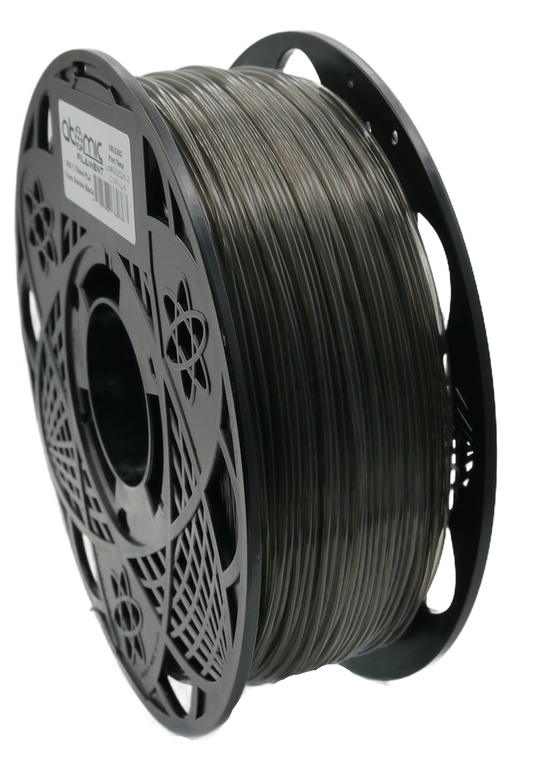
Translucent Smoke Black PLA AMS Compatible
Regular price $ 29.99Regular priceUnit price per -
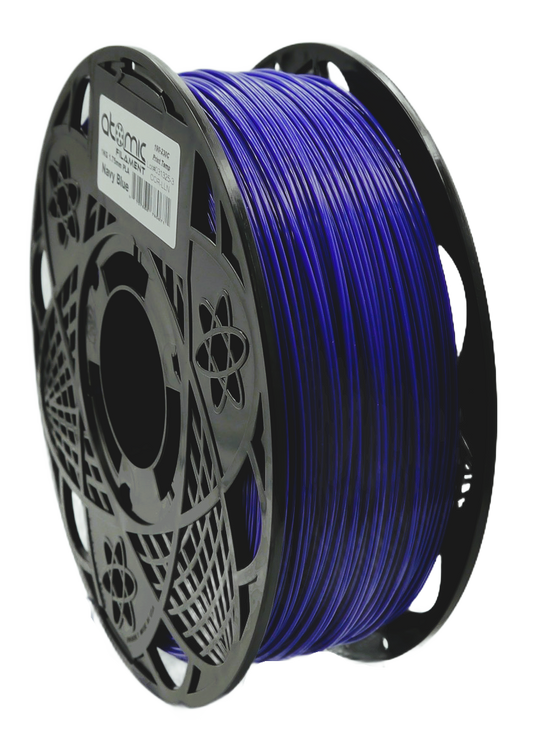
Navy Blue PLA Filament AMS Compatible
Regular price $ 29.99Regular priceUnit price per -
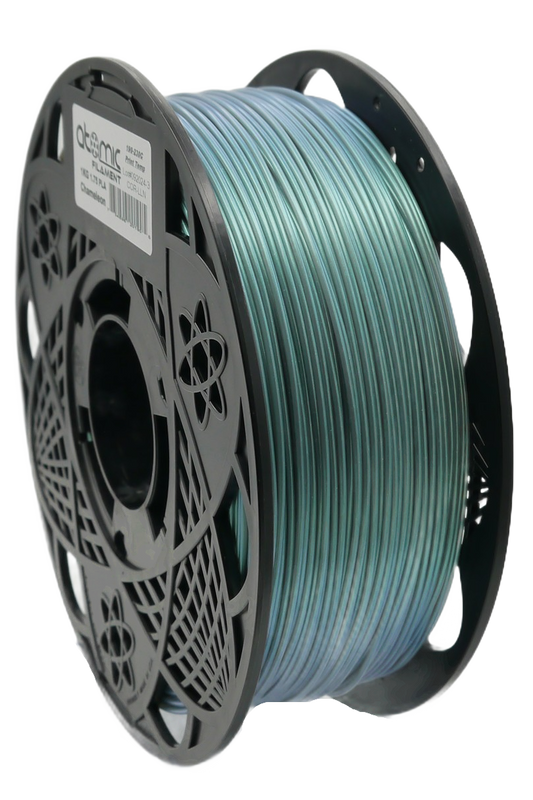
Chameleon Coastline PLA Shade-Shifting Filament AMS Compatible
Regular price $ 35.99Regular priceUnit price per -
Too Good to be Blue PLA Shade-Shifting Filament AMS Compatible
Regular price $ 35.99Regular priceUnit price per -
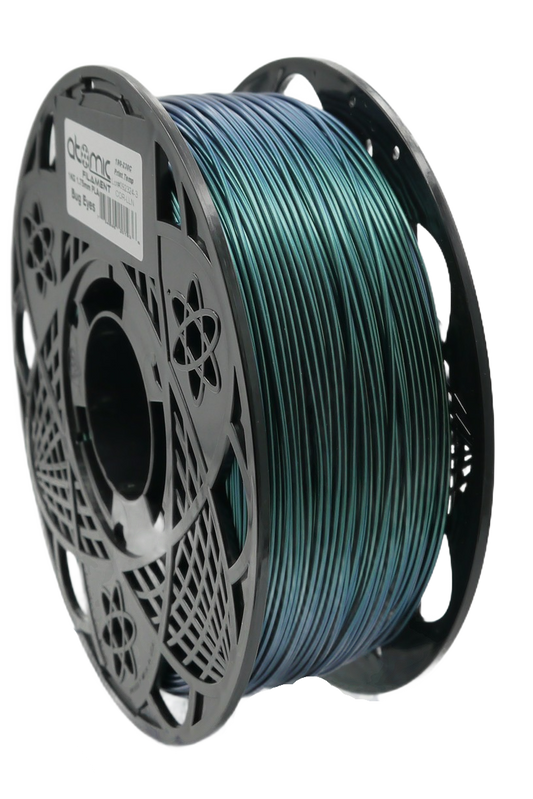
Bug Eyes PLA Shade-Shifting Filament AMS Compatible
Regular price $ 35.99Regular priceUnit price per -
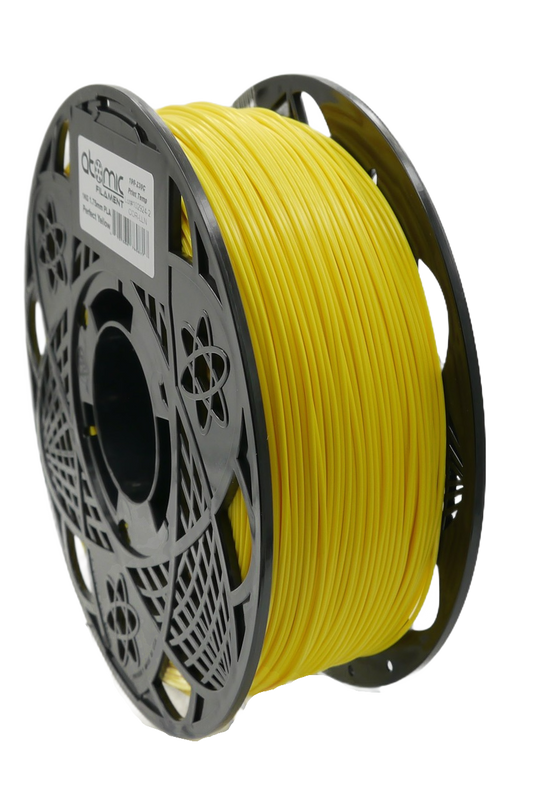
Perfect Yellow PLA Filament AMS Compatible
Regular price $ 29.99Regular priceUnit price per -
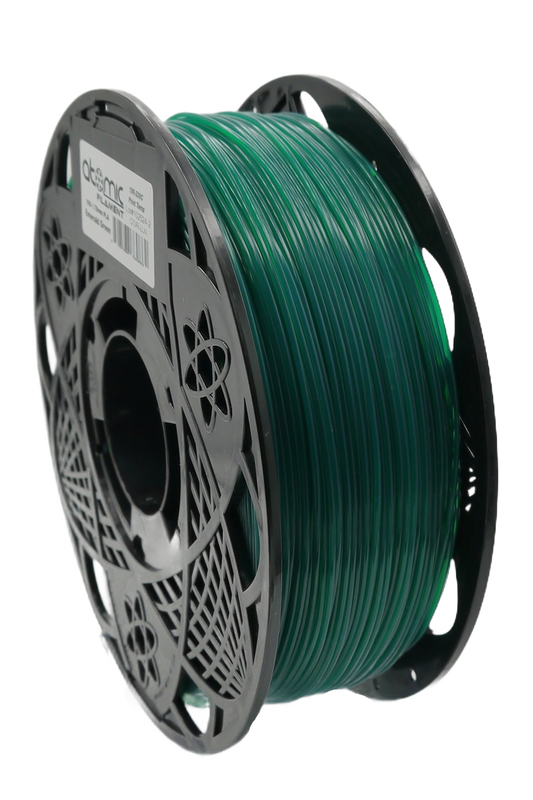
Emerald Green Gemstone Translucent PLA AMS Compatible
Regular price $ 29.99Regular priceUnit price per -
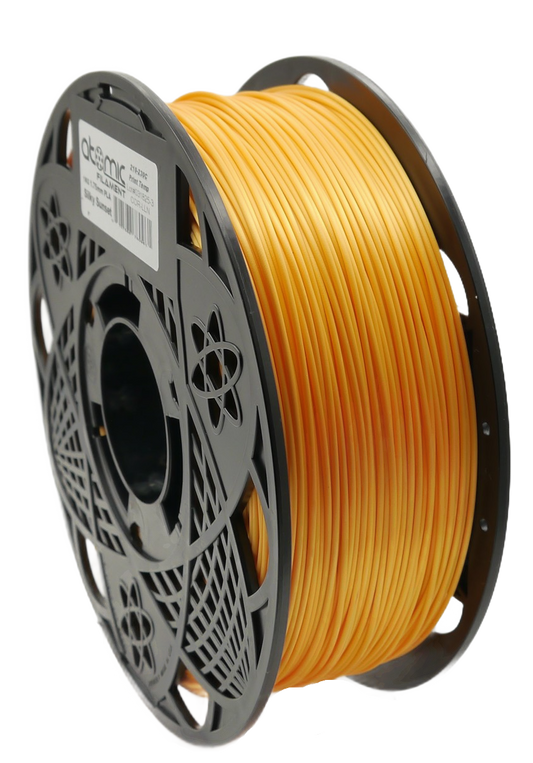
Silky Sunset PLA Filament AMS Compatible
Regular price $ 34.99Regular priceUnit price per -
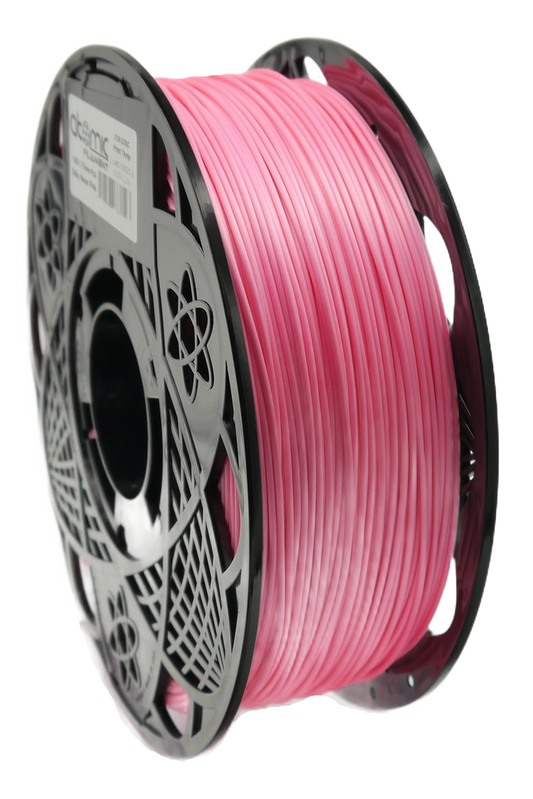
Silky Extreme Bright Neon Pink UV Reactive PLA Filament AMS Compatible
Regular price $ 34.99Regular priceUnit price per -
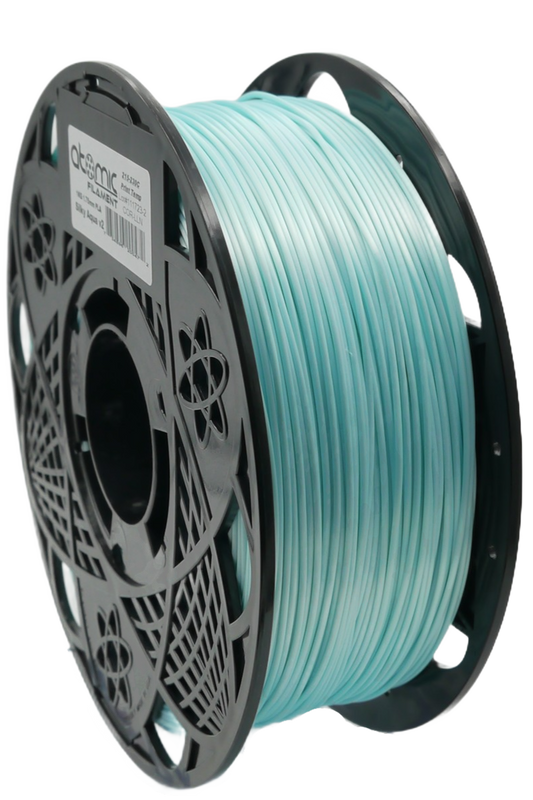
Silky Aqua PLA Filament AMS Compatible
Regular price $ 34.99Regular priceUnit price per -
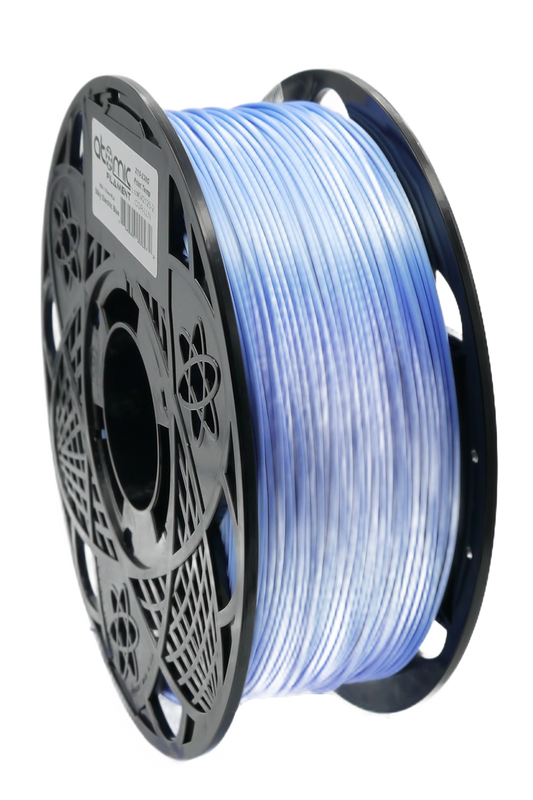
Silky Electric Blue v2 PLA Filament AMS Compatible
Regular price $ 34.99Regular priceUnit price per -
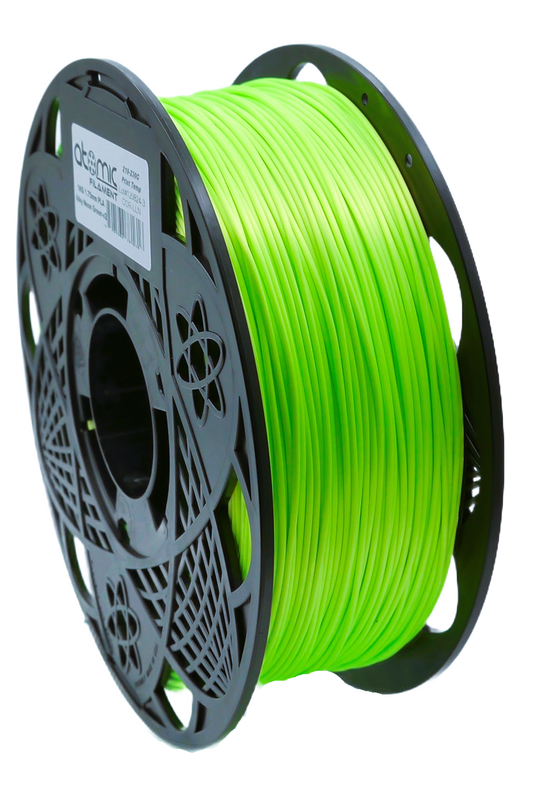
Silky Extreme Bright Neon Green UV Reactive PLA AMS Compatible
Regular price $ 34.99Regular priceUnit price per -
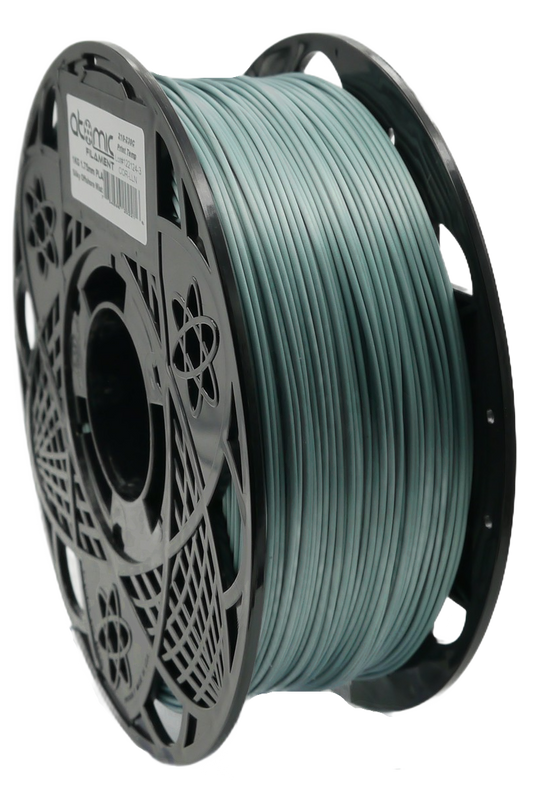
Silky Offshore Mist PLA Filament AMS Compatible
Regular price $ 34.99Regular priceUnit price per -
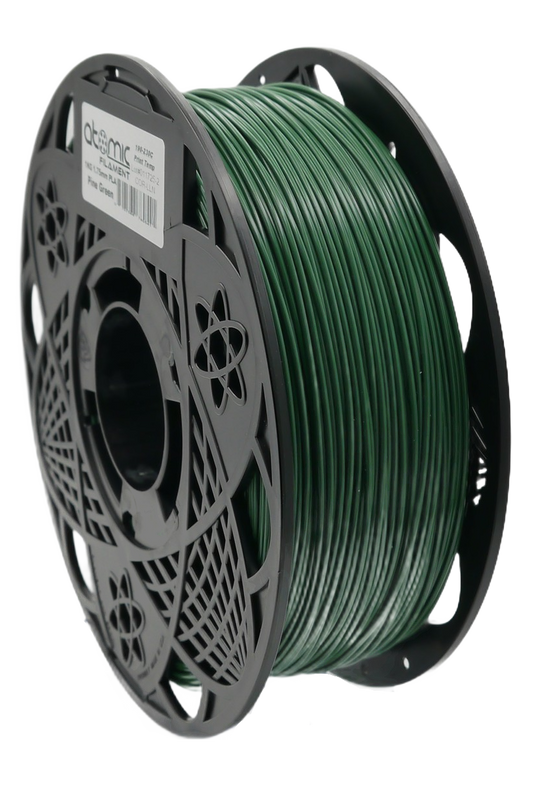
Pine Green v2 PLA AMS Compatible
Regular price $ 29.99Regular priceUnit price per -
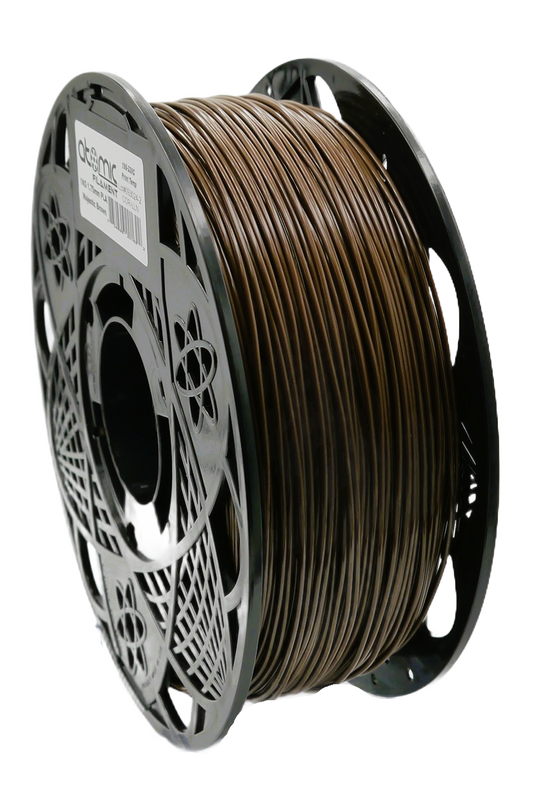
Majestic Brown PLA Filament AMS Compatible
Regular price $ 32.99Regular priceUnit price per -
Golden Blood Diamond Translucent PLA AMS Compatible
Regular price $ 32.99Regular priceUnit price per -
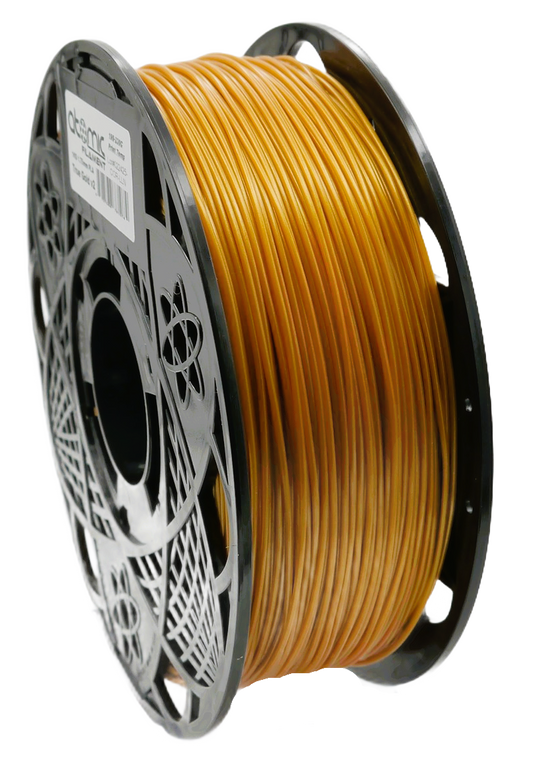
True Gold v2 PLA AMS Compatible
Regular price $ 29.99Regular priceUnit price per -
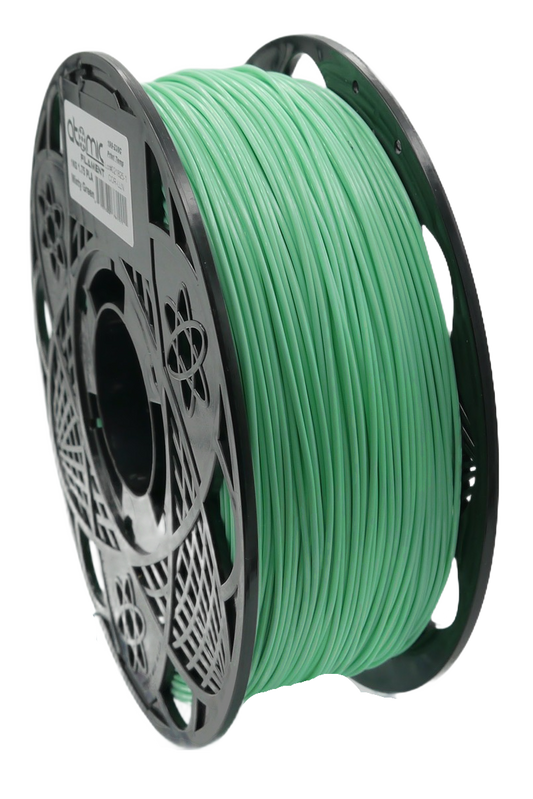
Minty Green PLA Filament AMS Compatible
Regular price $ 29.99Regular priceUnit price per -
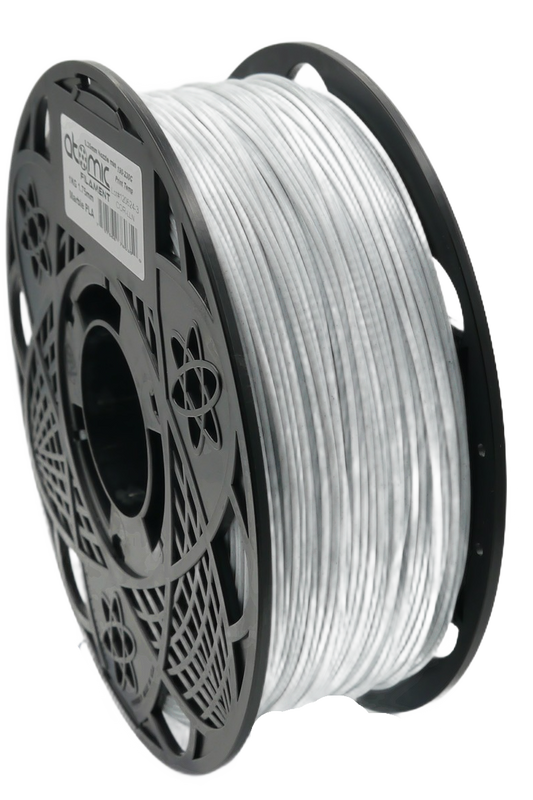
Marble PLA Filament AMS Compatible
Regular price $ 29.99Regular priceUnit price per -
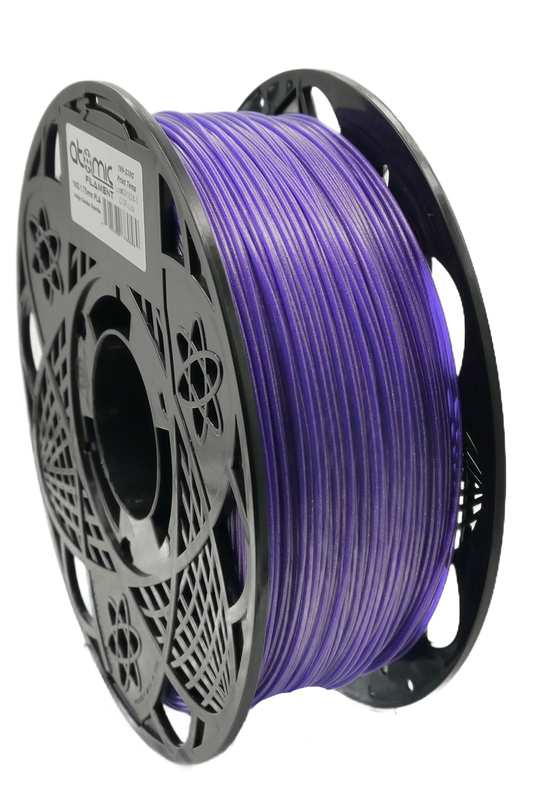
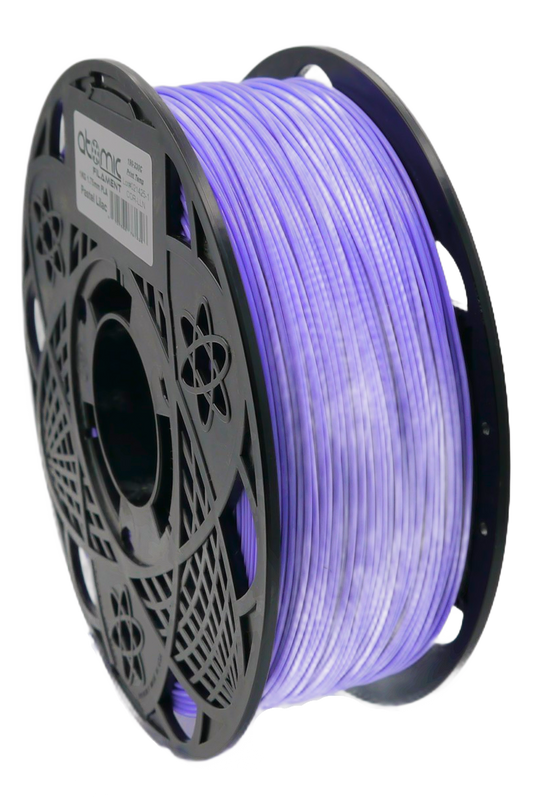
Pastel Lilac PLA Filament AMS Compatible
Regular price $ 29.99Regular priceUnit price per -
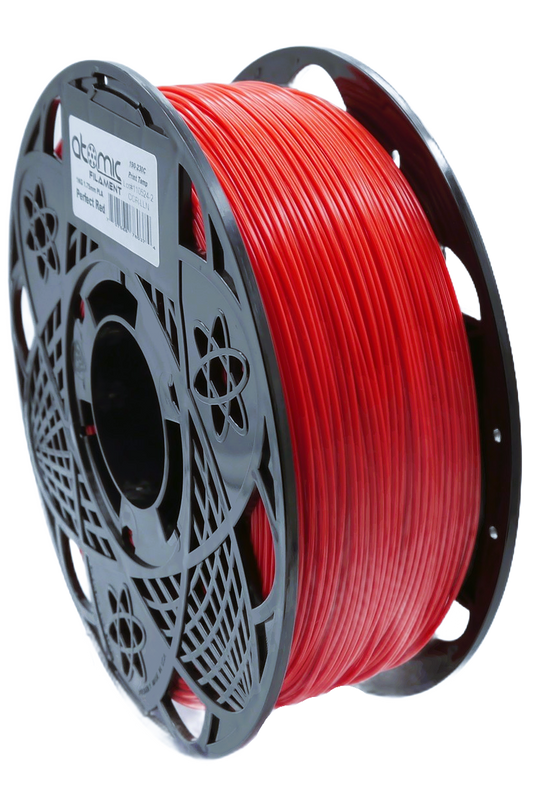
Perfect Red PLA Filament AMS Compatible
Regular price $ 29.99Regular priceUnit price per -
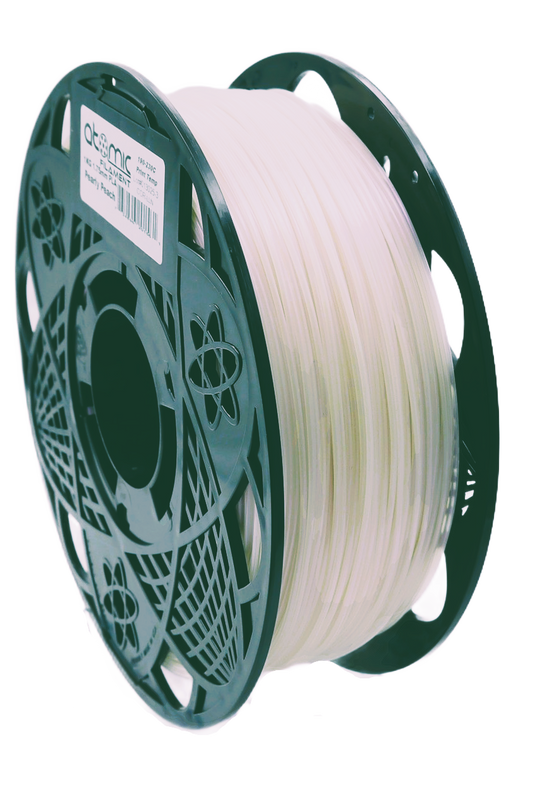
Pearly Peach PLA Filament AMS Compatible
Regular price $ 29.99Regular priceUnit price per -
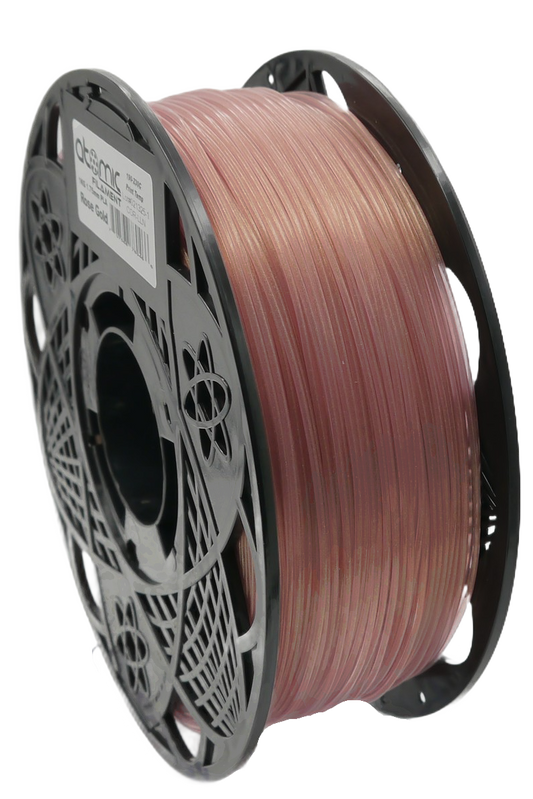
Rose Gold Metallic Translucent PLA AMS Compatible
Regular price $ 31.99Regular priceUnit price per -
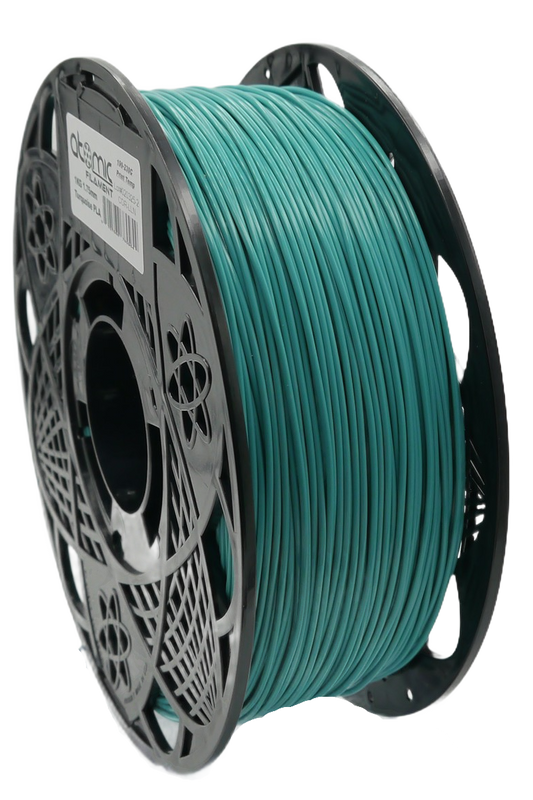
Turquoise PLA Filament AMS Compatible
Regular price $ 29.99Regular priceUnit price per -
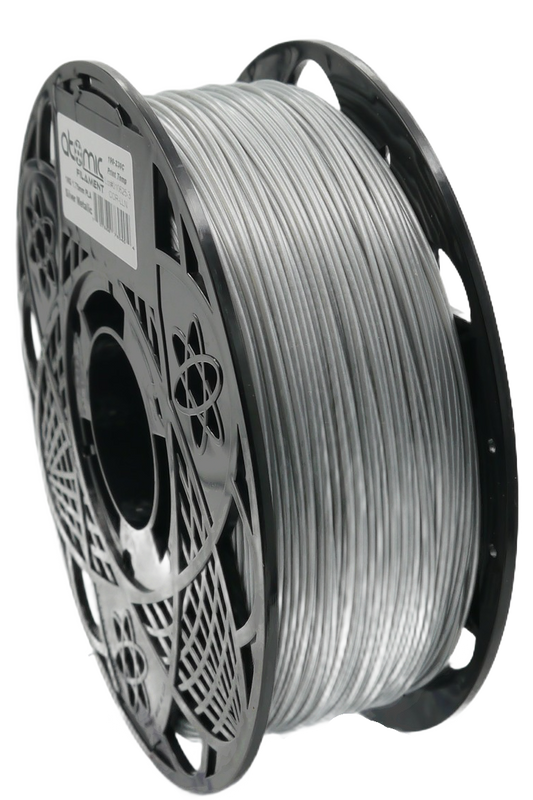
Metallic Silver V2 PLA Filament AMS Compatible
Regular price $ 29.99Regular priceUnit price per -
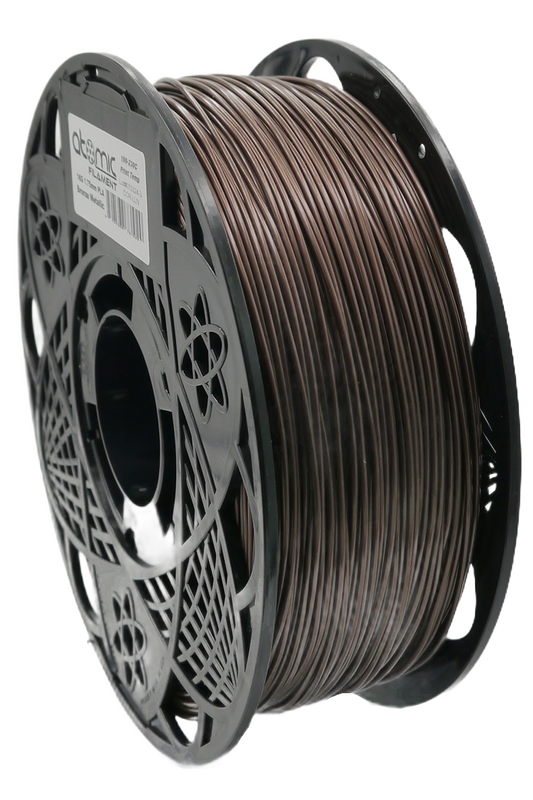
Bronze Metallic PLA Filament AMS Compatible
Regular price $ 31.49Regular priceUnit price per -
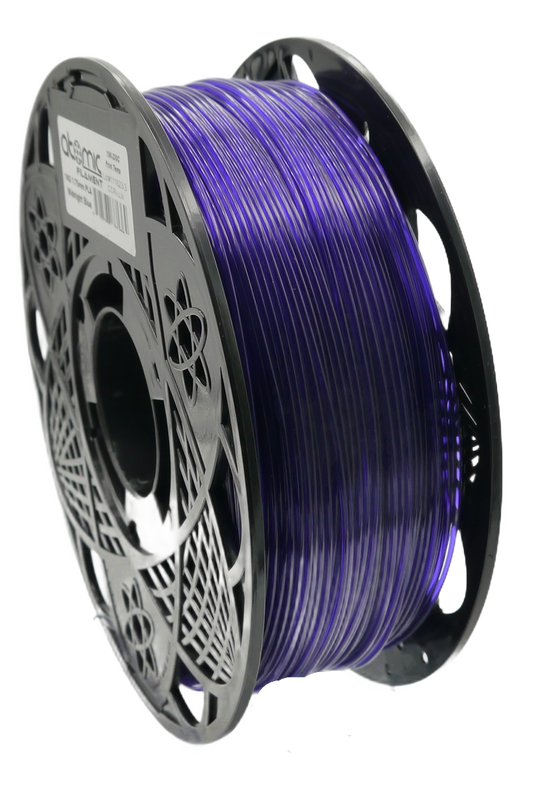
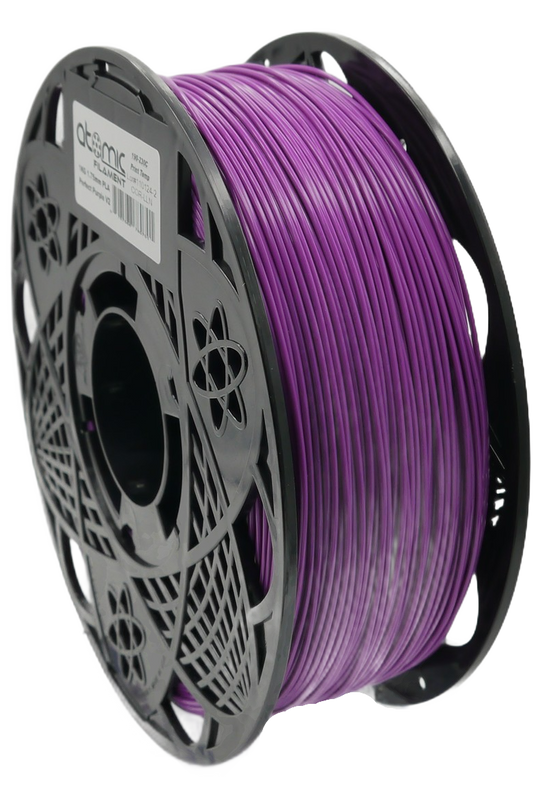
Perfect Purple PLA AMS Compatible
Regular price $ 29.99Regular priceUnit price per -
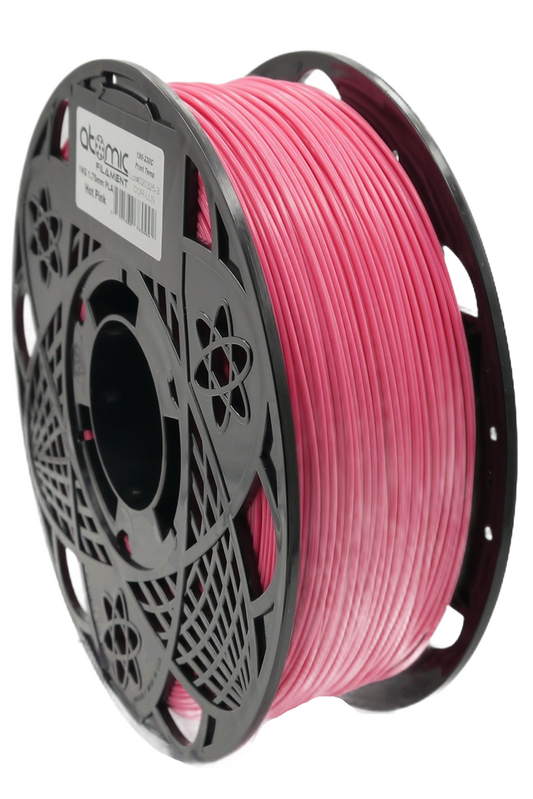
Hot Pink PLA Filament AMS Compatible
Regular price $ 29.99Regular priceUnit price per -
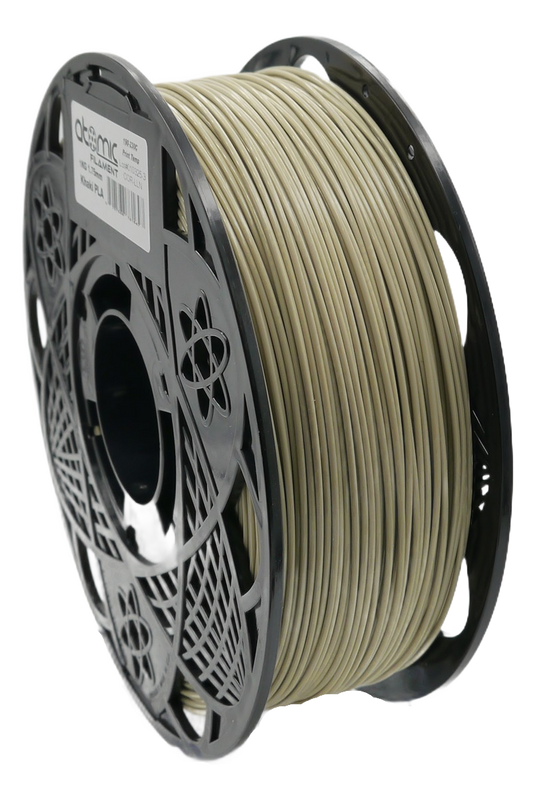
Khaki PLA Filament AMS Compatible
Regular price $ 29.99Regular priceUnit price per -
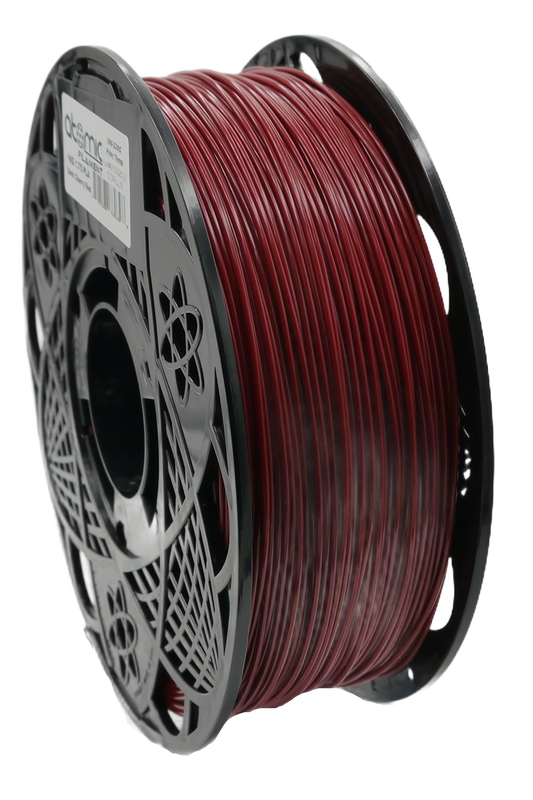
Dark Cherry Red PLA Filament AMS Compatible
Regular price $ 29.99Regular priceUnit price per -
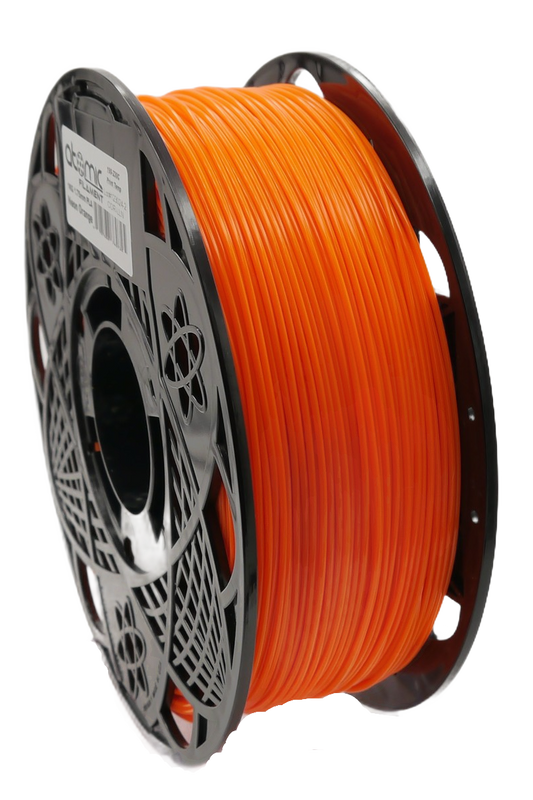
Neon Orange UV Reactive PLA Filament AMS Compatible
Regular price $ 29.99Regular priceUnit price per -
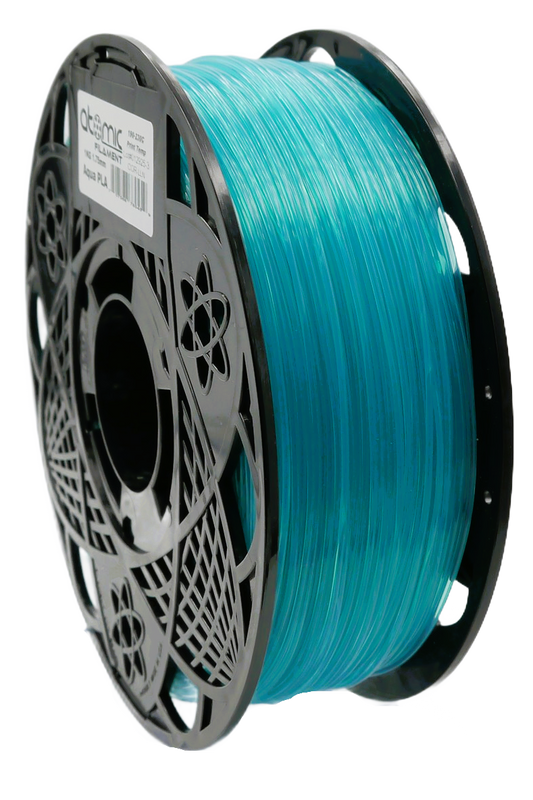
Aqua Gemstone Translucent PLA AMS Compatible
Regular price $ 29.99Regular priceUnit price per -
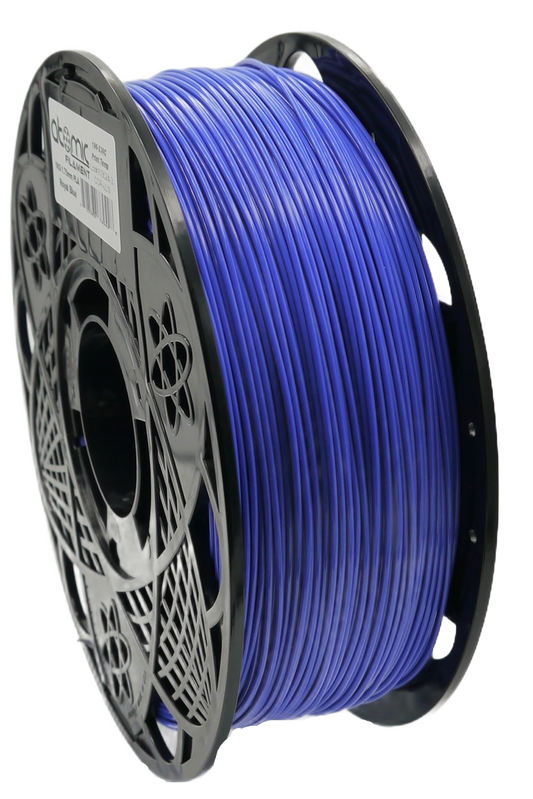
Royal Blue PLA Filament AMS Compatible
Regular price $ 29.99Regular priceUnit price per -
Cosmic Graphite PLA v2 AMS Compatible
Regular price $ 29.99Regular priceUnit price per -
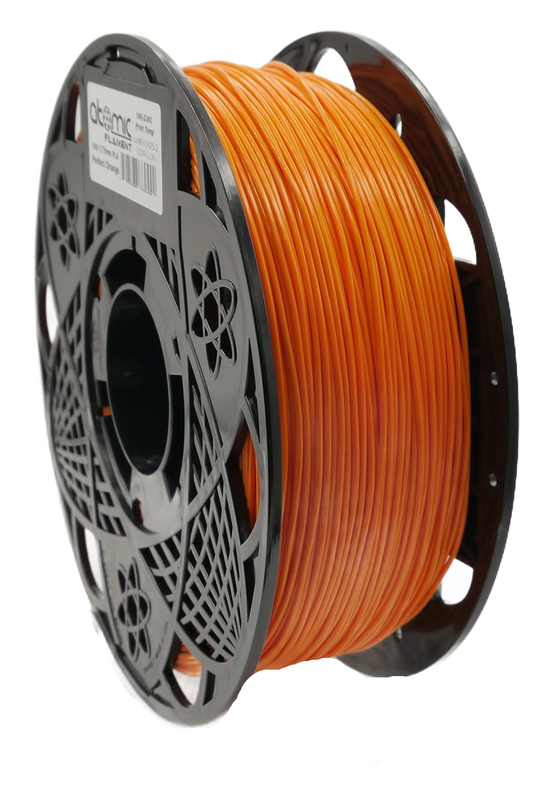
Perfect Orange PLA Filament AMS Compatible
Regular price $ 29.99Regular priceUnit price per -
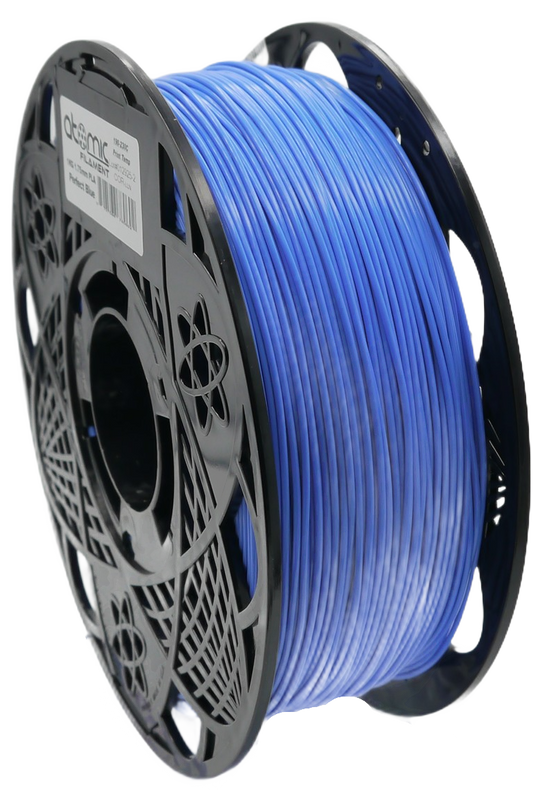
Perfect Blue PLA Filament AMS Compatible
Regular price $ 29.99Regular priceUnit price per -
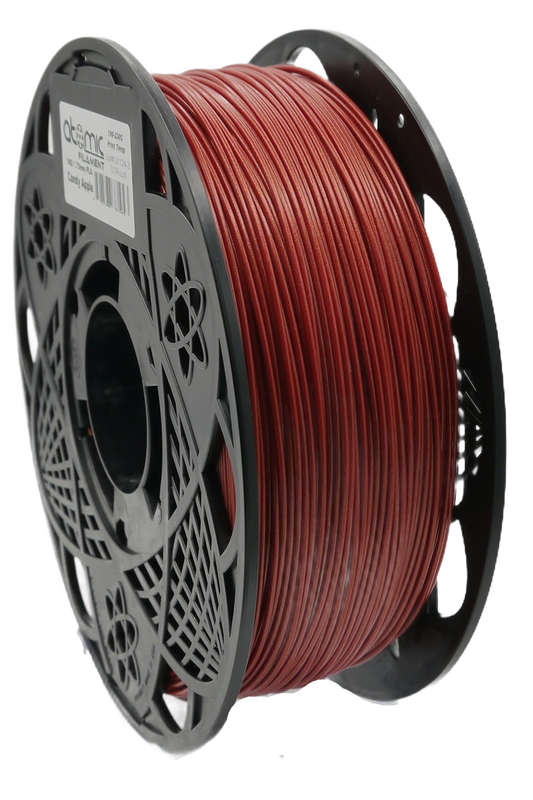
Candy Apple Golden Pearl PLA Filament AMS Compatible
Regular price $ 32.99Regular priceUnit price per -
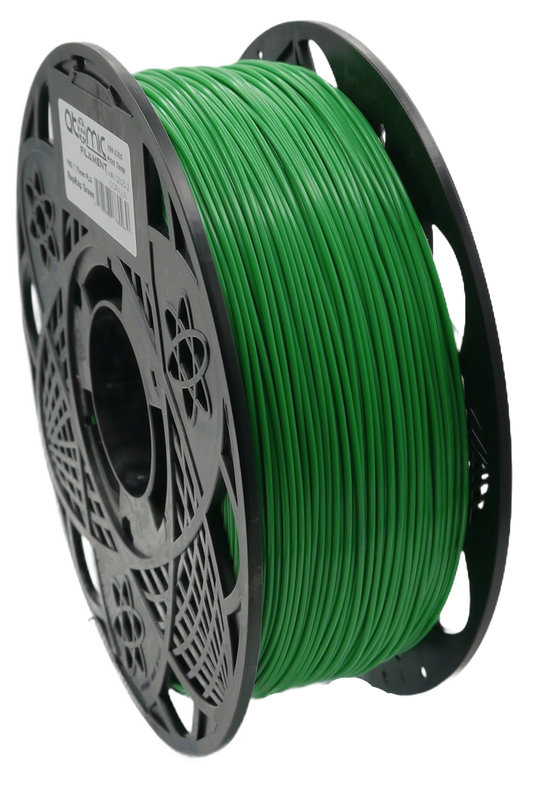
RepRap Green PLA Filament AMS Compatible
Regular price $ 29.99Regular priceUnit price per -
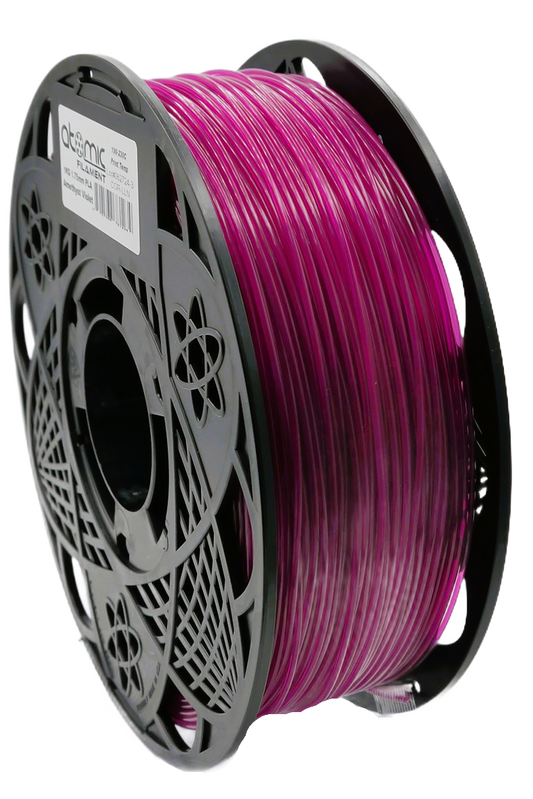
Amethyst Violet Gemstone Translucent PLA AMS Compatible
Regular price $ 29.99Regular priceUnit price per -
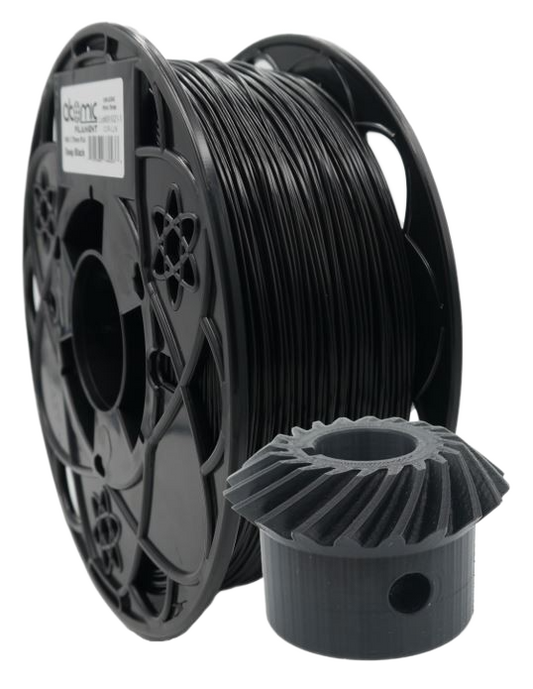
Black PLA Filament 2.85mm NOT 1.75mm
Regular price $ 19.99Regular priceUnit price per$ 29.99Sale price $ 19.99SaleSold out -
Bed Bond 3D Print Bed Adhesive
Regular price $ 14.99Regular priceUnit price per
US Orders Over $50 ship FREE!*