-
Bed Bond 3D Print Bed Adhesive
Regular price $ 14.99Regular priceUnit price per -
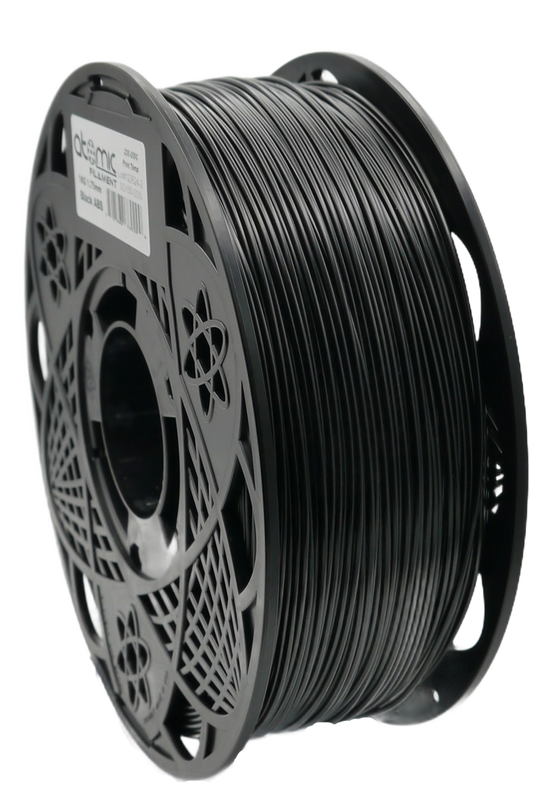
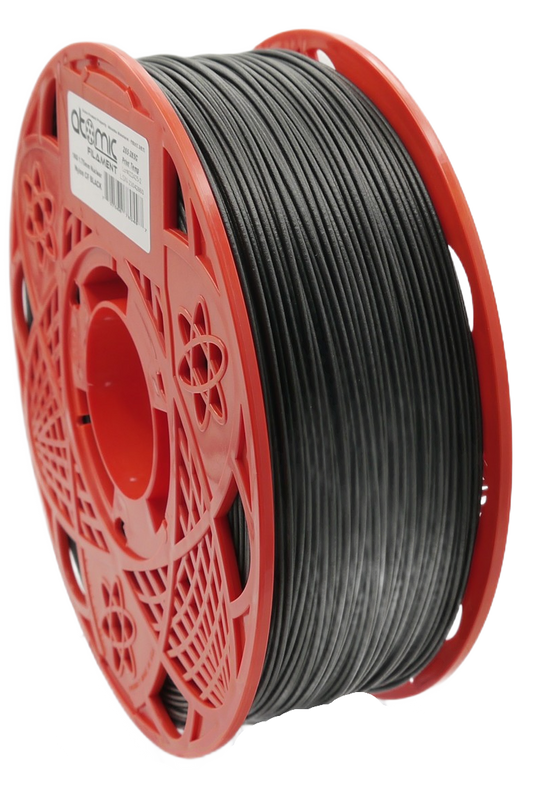
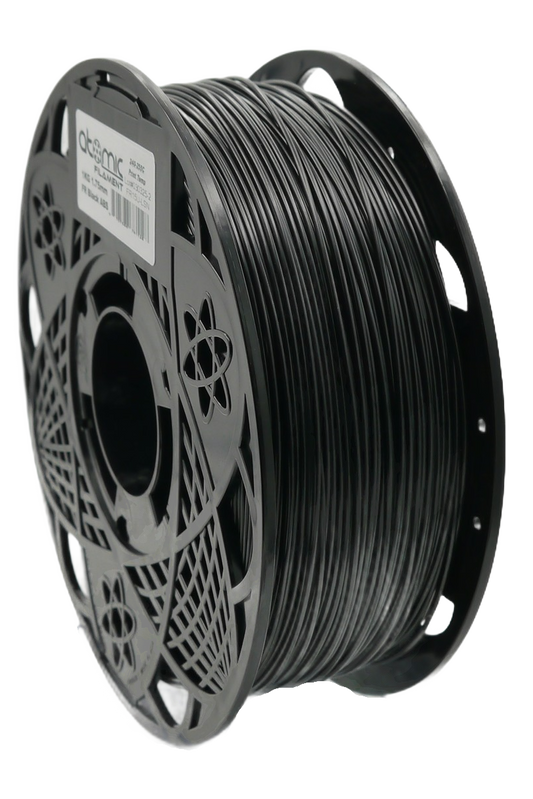
Black ABS Filament AMS Compatible
Regular price $ 32.99Regular priceUnit price per -
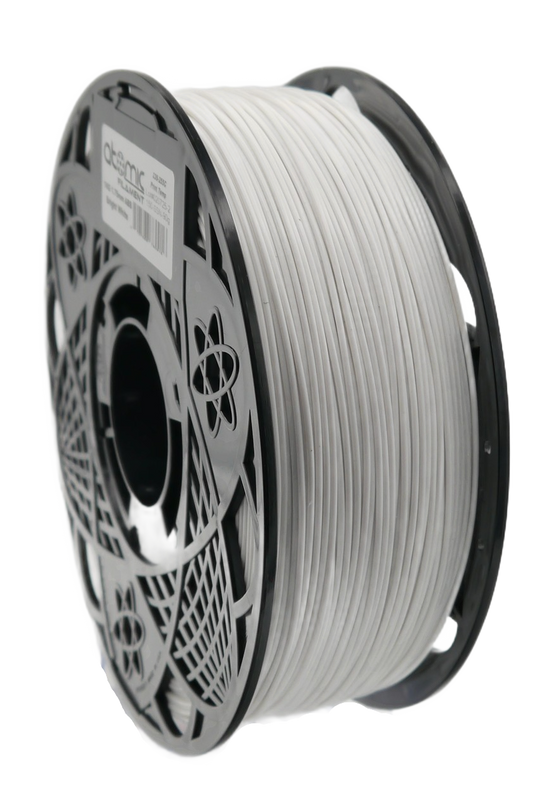
Bright White ABS AMS Compatible
Regular price $ 32.99Regular priceUnit price per -
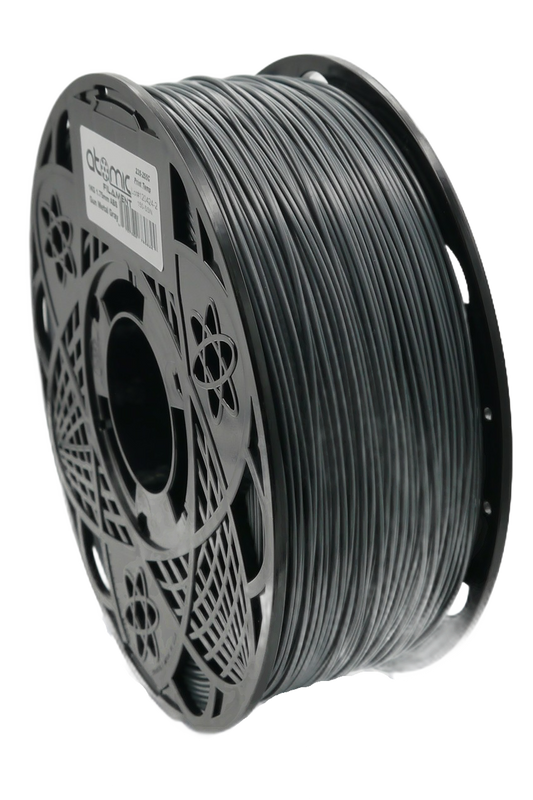
Gun Metal Gray ABS Filament AMS Compatible
Regular price $ 32.99Regular priceUnit price per -
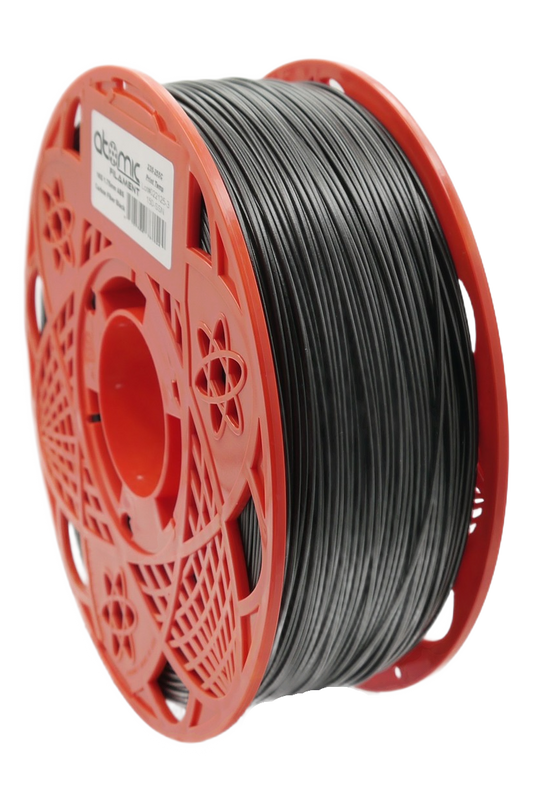
CARBON FIBER Ultra Black ABS Filament AMS Compatible
Regular price $ 49.99Regular priceUnit price per -
Black CARBON FIBER Nuclear Nylon v3 Filament
Regular price From $ 49.99Regular priceUnit price per -
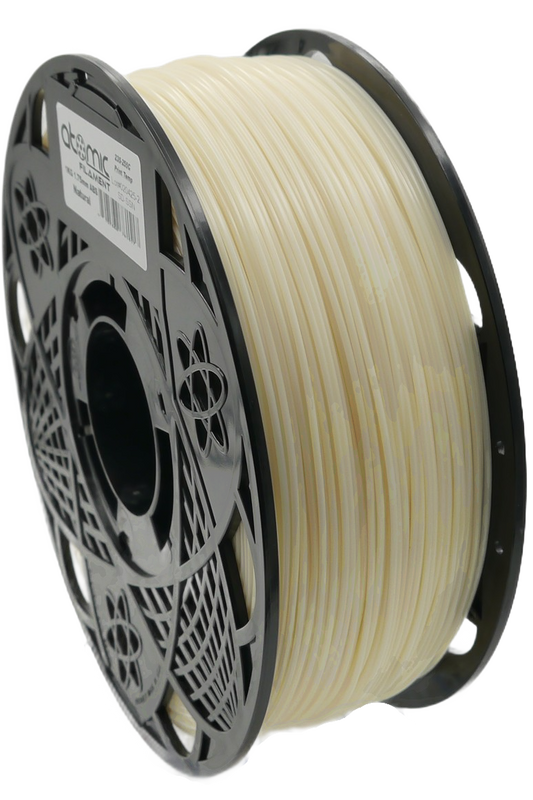
Natural ABS Filament AMS Compatible
Regular price $ 32.99Regular priceUnit price per -
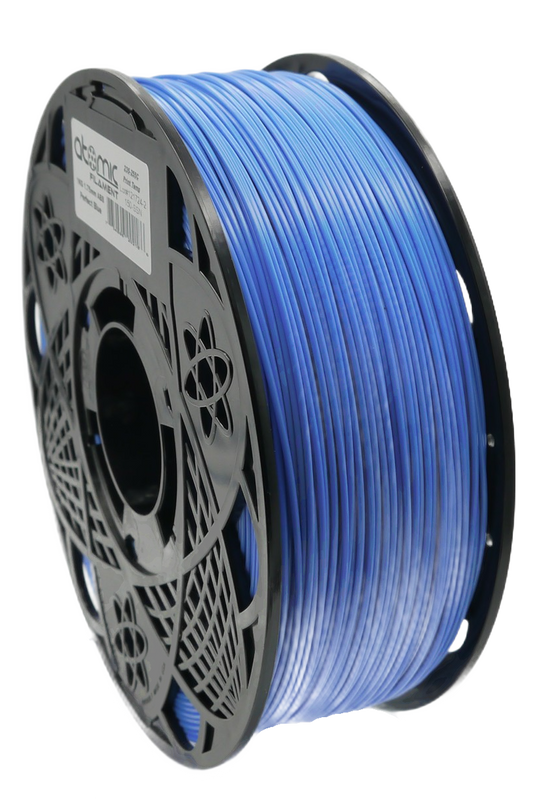
Perfect Blue ABS AMS Compatible
Regular price $ 26.39Regular priceUnit price per$ 32.99Sale price $ 26.39Sale -
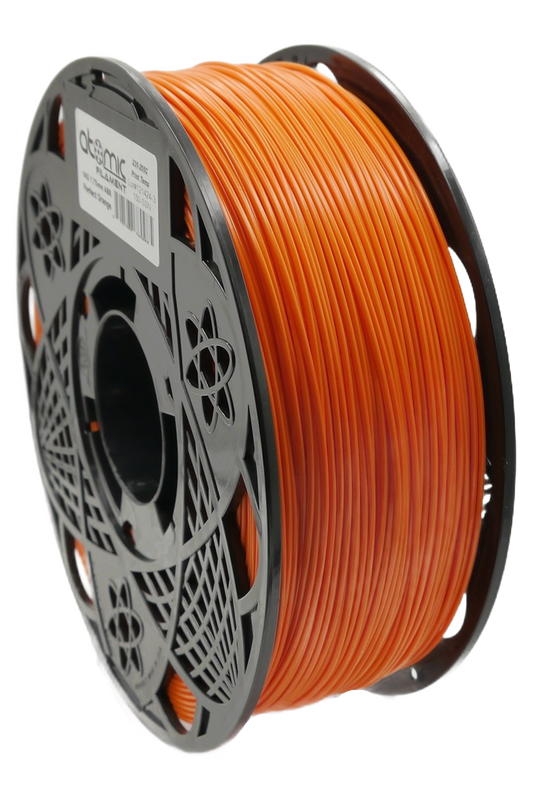
Perfect Orange ABS Filament AMS Compatible
Regular price $ 32.99Regular priceUnit price per -
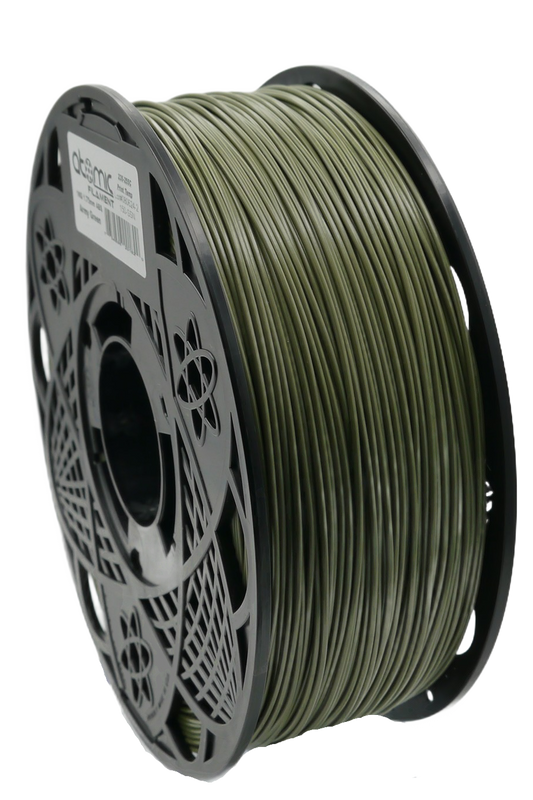
Army Green ABS AMS Compatible
Regular price $ 32.99Regular priceUnit price per -
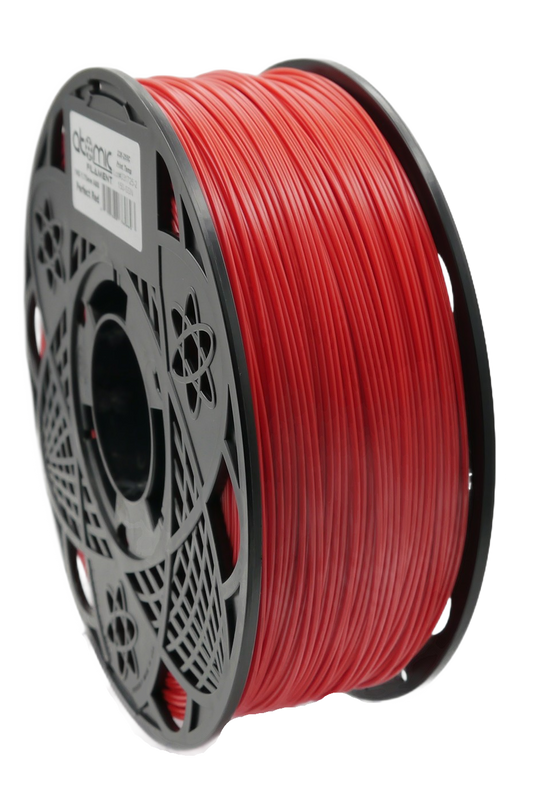
Perfect Red ABS Filament AMS Compatible
Regular price $ 26.39Regular priceUnit price per$ 32.99Sale price $ 26.39Sale -
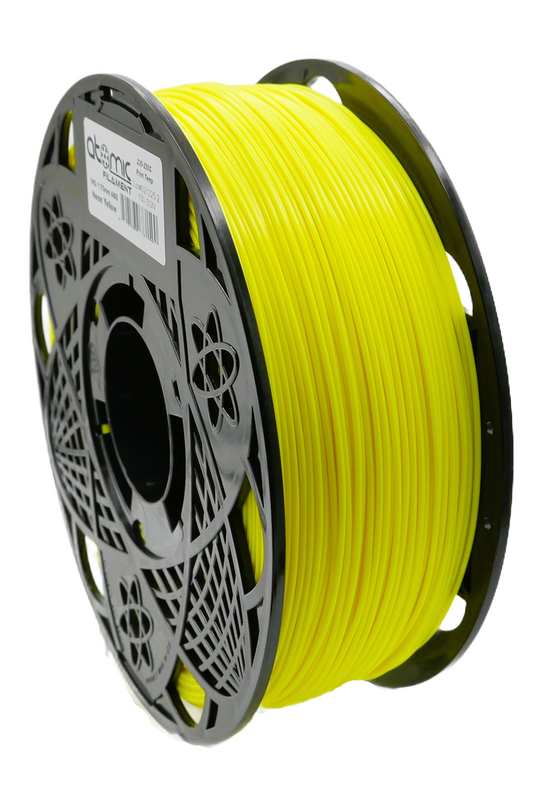
Neon Yellow UV Reactive ABS Filament AMS Compatible
Regular price $ 26.39Regular priceUnit price per$ 32.99Sale price $ 26.39Sale -
FLAME RETARDANT Sabic FR15U Black ABS Filament AMS Compatible
Regular price $ 59.99Regular priceUnit price per -
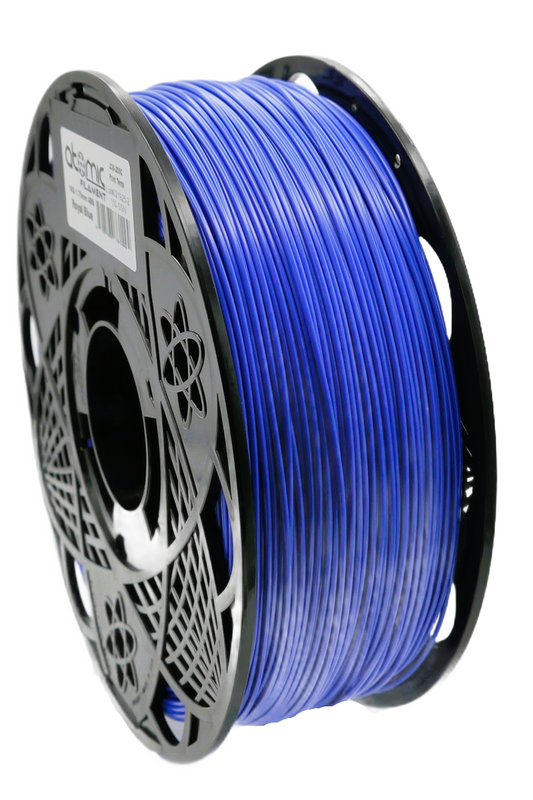
Royal Blue ABS AMS Compatible
Regular price $ 32.99Regular priceUnit price per -
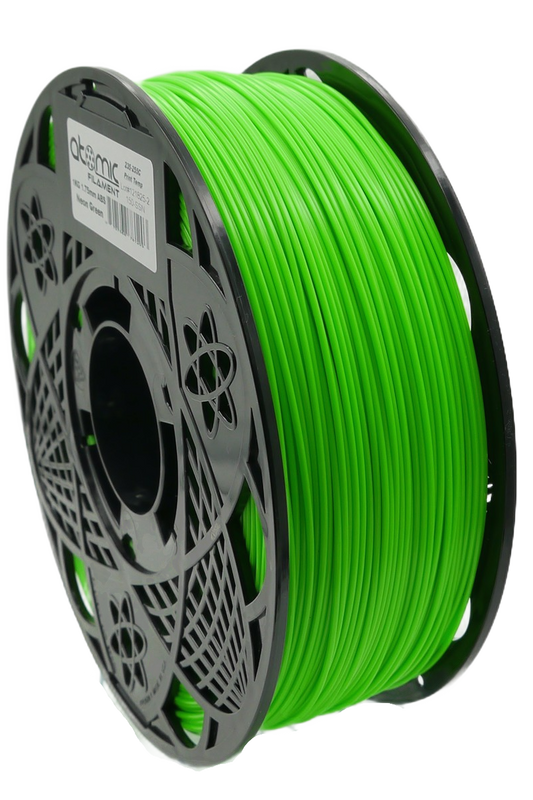
Neon Green UV Reactive ABS Filament AMS Compatible
Regular price $ 32.99Regular priceUnit price per -
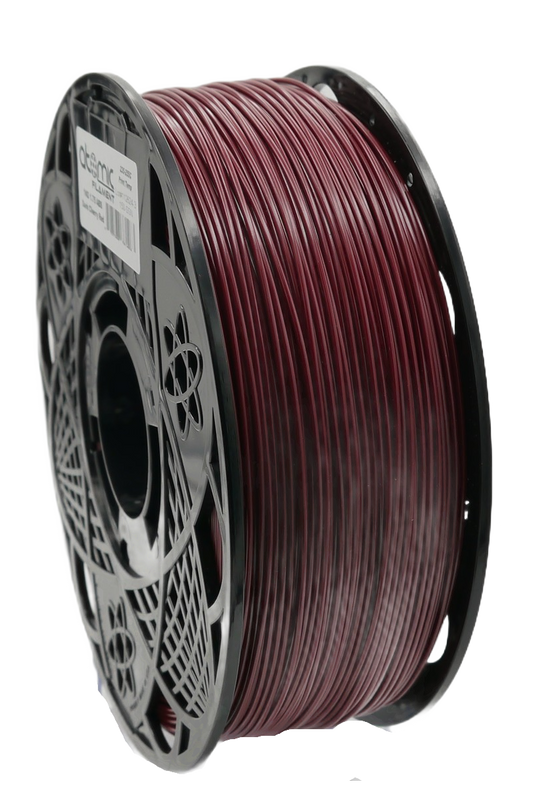
Dark Cherry Red ABS AMS Compatible
Regular price $ 26.39Regular priceUnit price per$ 32.99Sale price $ 26.39Sale -
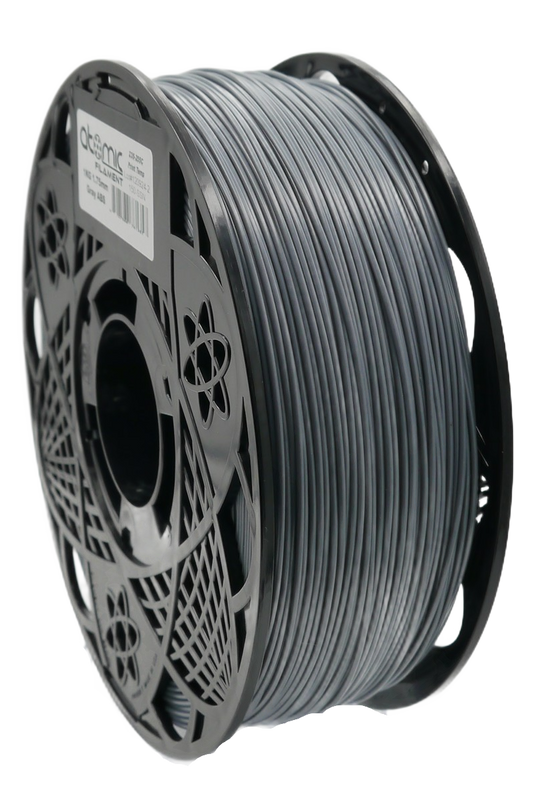
Gray ABS AMS Compatible
Regular price $ 32.99Regular priceUnit price per -
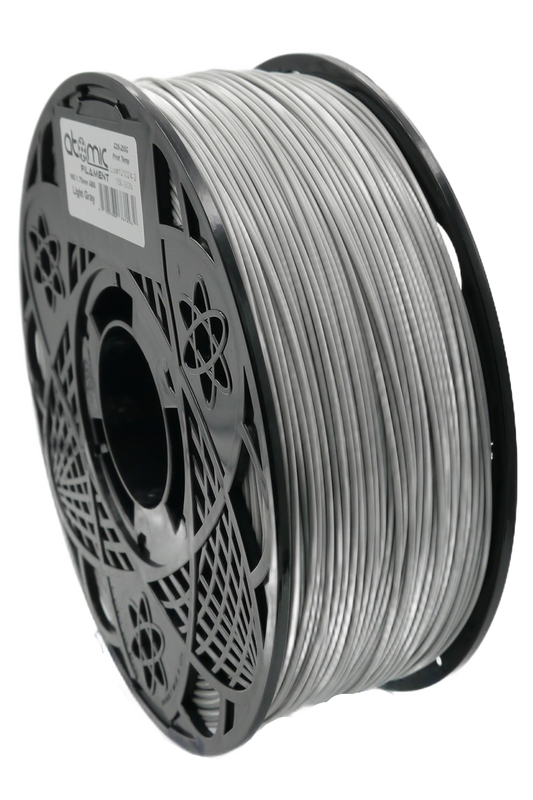
Light Gray ABS Filament AMS Compatible
Regular price $ 26.39Regular priceUnit price per$ 32.99Sale price $ 26.39Sale -
Gift Card $100
Regular price $ 100.00Regular priceUnit price per -
Gift Card $50
Regular price $ 50.00Regular priceUnit price per -
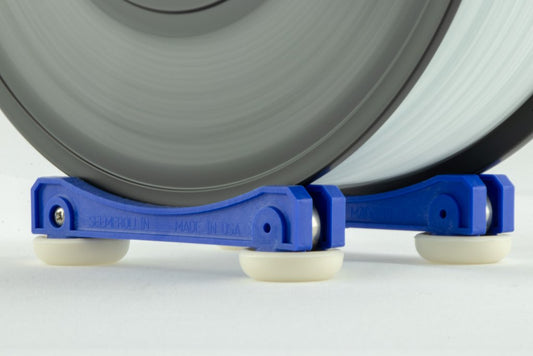
Table Top Ball Bearing Spool Holder
Regular price $ 9.99Regular priceUnit price per -
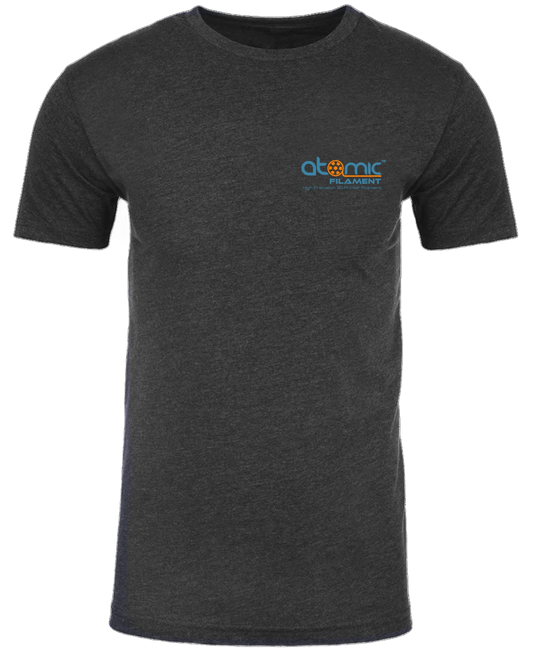
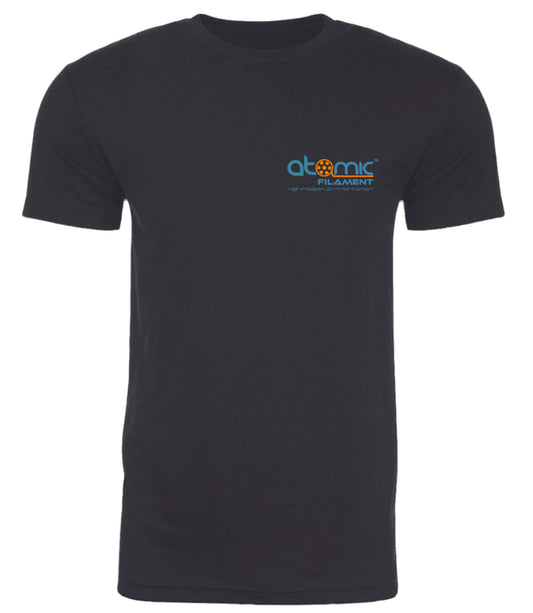
Atomic Filament Brand Shirt - 2026 Charcoal Gray
Regular price From $ 9.95Regular priceUnit price per -
Atomic Filament Brand Shirt - 2026 Black
Regular price From $ 9.95Regular priceUnit price per
US Orders Over $50 ship FREE!*